REIF Loans Blog for Real Estate Investors

Your source for real-world insights on DSCR loans, market trends, and investor success strategies. Whether you’re financing your first rental or expanding your property portfolio, our blog gives you advice on everything from underwriting tips to case studies that show what works in today’s lending landscape.

Insights That Help Investors Make Confident Decisions

The REIF Loans Blog is built for serious investors who want clarity behind their financing choices.

We break down complex loan programs, market trends, and investment strategies into simple, practical insights you can use right away.

Our goal is to help you evaluate opportunities, avoid costly lending mistakes, and grow your real estate portfolio with confidence.

Blog Loan Programs

Topics We Cover

Every article is designed to educate and empower investors: whether you’re focused on cash flow, long-term appreciation, or better loan structures.
 Here’s what you’ll find inside the REIF Loans Blog.

DSCR Loan Denial Reasons

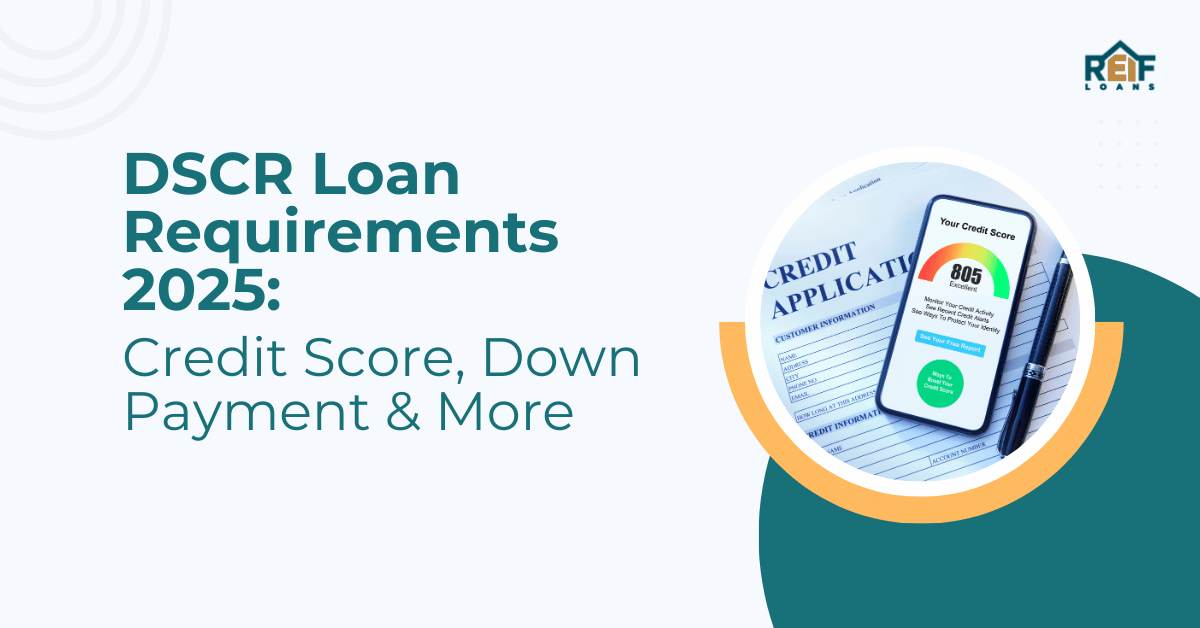
Common DSCR Loan Denial Reasons and How to Avoid Them

Getting denied on a DSCR loan is frustrating, especially when you have a solid deal in mind. The good news is that most denials are not random. They follow predictable patterns, and once you understand what lenders are actually looking at, you can address those issues before they cost you the deal.

Common DSCR Loan Denial Reasons and How to Avoid Them

At REIF Loans, we work with real estate investors across Michigan and 43 states, and we see the same approval roadblocks come up repeatedly. Here is a breakdown of the most common reasons DSCR loan applications get denied, and what you can do about each one.

What Is a DSCR Loan and Why Do Denials Happen?

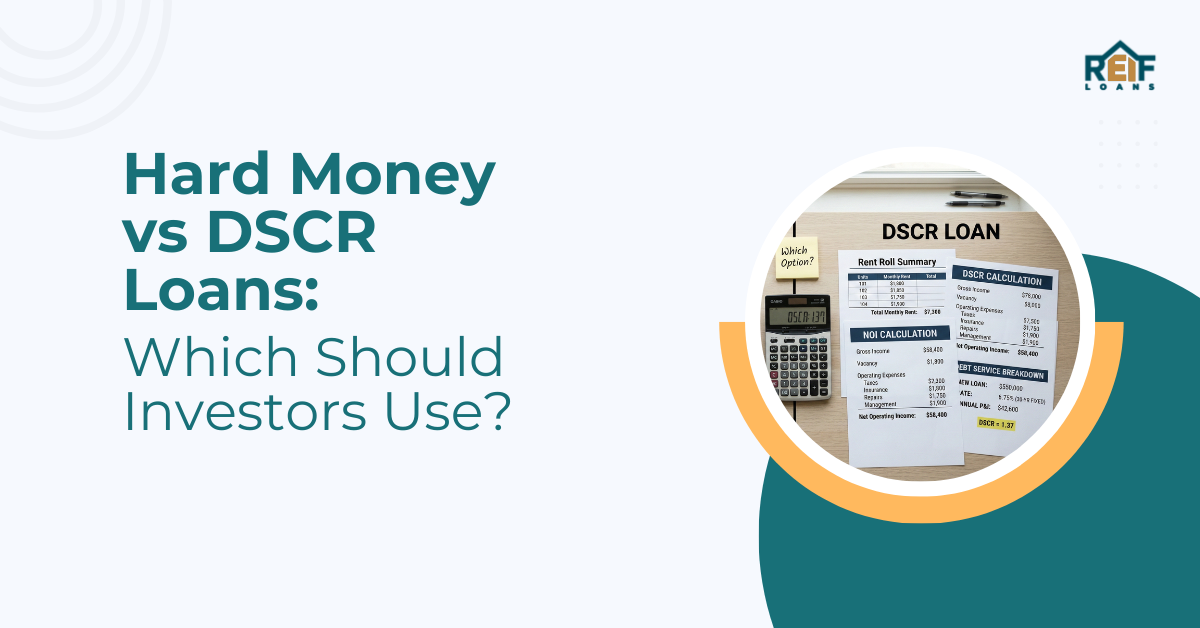
A DSCR loan qualifies you based on the income the property generates, not your personal tax returns or W-2s. The lender calculates your Debt Service Coverage Ratio by dividing the property’s gross rental income by its total monthly debt obligation.

Most lenders want to see a DSCR of at least 1.0, though many prefer 1.25 or higher. If the numbers do not work, the application does not move forward. It is that simple.

1. The Property Does Not Generate Enough Cash Flow

This is the number one reason DSCR loan applications get denied. If the rental income on the property does not cover the projected mortgage payment, the deal fails the basic qualification test before anything else gets reviewed.

Common causes include:

  • Purchasing in a low-rent market where income does not support the purchase price
  • Overestimating market rent without supporting comparables
  • Taking on a high loan amount that pushes the debt service too high relative to income

The fix is straightforward. Run accurate rent comparables before you make an offer. Look at active listings and recent leases in the area, not just what the seller tells you. If the numbers are tight, consider negotiating the price down or putting more money down to reduce the monthly debt obligation.

2. Relying on Projected Rent Instead of Verified Income

Some investors apply using estimated or projected rents, especially on vacant properties. While some lenders do allow market rent appraisals, many want to see actual signed leases before they will approve a loan.

If you are buying a vacant property or a short-term rental, be upfront about that with your lender. REIF Loans can help you understand exactly what documentation will be required based on your specific property and situation before you get too far into the process.

3. Credit Score Falls Below the Minimum Threshold

DSCR loans are non-QM products, which means they have more flexibility than conventional mortgages. But they are not without credit requirements. Most lenders set a minimum score between 620 and 680, and where you land in that range can affect both your approval odds and your interest rate.

Steps to take before applying:

  • Pull your credit report and check for errors or outdated accounts
  • Pay down revolving credit balances to improve your utilization ratio
  • Avoid opening new lines of credit or making large purchases in the months before applying

Even a small improvement in your credit score can make a meaningful difference in the terms you receive.

4. The Down Payment Does Not Meet Lender Requirements

Most DSCR lenders require between 20% and 25% down. Some investors come in underprepared on this front, either miscalculating the required amount or not accounting for closing costs on top of the down payment.

If you are short on capital, a cash-out refinance on an existing investment property is one way to access equity and fund your next acquisition. REIF Loans offers cash-out refinance solutions specifically designed for investors who want to scale without waiting years to save up fresh capital.

5. The Property Does Not Meet Lender Guidelines

Not every property type qualifies for a DSCR loan. Lenders have specific eligibility rules, and submitting an application for a property that does not qualify wastes time and can hurt your credit if a hard pull was already done.

Property types that commonly cause issues:

  • Condotels or properties with hotel-style management agreements
  • Rural properties with limited comparable sales
  • Properties in poor condition that fail appraisal requirements
  • Mixed-use properties, depending on the commercial-to-residential ratio

Before you make an offer, confirm with REIF Loans whether the property type is eligible. This takes five minutes and can save you weeks of wasted effort.

6. Documentation Is Incomplete or Inconsistent

DSCR loans skip the income verification of traditional mortgages, but they still require clean and complete paperwork. Missing lease agreements, inconsistent rent schedules, unclear title history, or errors in the application itself can all stall or kill an approval.

What to have ready:

  • Current signed lease agreements or a market rent appraisal from a licensed appraiser
  • Entity documents if purchasing under an LLC or corporation
  • A clean title report with no outstanding liens or ownership disputes
  • Bank statements showing liquidity for the down payment and reserves

Getting organized before you apply is one of the easiest ways to move faster and avoid unnecessary back-and-forth with your lender.

7. The Appraisal Comes in Below the Purchase Price

Even if your cash flow numbers work based on the contract price, a low appraisal can change the entire picture. If the property appraises below what you are paying, the loan-to-value ratio shifts, which can push your approval out of range or require a larger down payment to compensate.

Research comparable sales in the area before submitting an offer. If you are in a market with limited sales data or high price volatility, factor that into your risk assessment before getting under contract.

How REIF Loans Help You Get It Right the First Time

Founded by Elizabeth Shvartsman, REIF Loans was built specifically for real estate investors who need a lender that understands how investment deals work. The pre-qualification process is fast, transparent, and designed to surface potential issues before they become reasons for denial.

Whether you are applying for your first DSCR loan, looking at hard money loans for a fix and flip, or planning a cash-out refinance to grow your rental portfolio, REIF Loans serves investors across Michigan and 43 states with straightforward guidance and investor-first service.

DSCR loan

Final Thoughts

Most DSCR loan denials come down to a handful of fixable issues: weak cash flow, incomplete documentation, credit gaps, or mismatched expectations about the property or down payment. Understanding these factors ahead of time puts you in a much stronger position.

If you want to know exactly where you stand before you apply, reach out to REIF Loans for a fast pre-qualification. There is no reason to guess when you can get clear answers from a lender who works with investors every day.

Pre Approval for a DSCR Loan

Getting Pre-Approved for a DSCR Loan

Real estate investors know the feeling. You find a solid rental property, the numbers look right, and then the mortgage process slows everything down. Traditional lenders ask for two years of tax returns, detailed income history, and documentation that simply does not reflect how most investors actually operate.

How To Get Pre Approval For A DSCR Loan Fast?

DSCR loans were built to fix that problem. And if you are serious about moving on your next deal, getting pre-approved before you start searching is one of the most practical steps you can take.

What Is a DSCR Loan?

A DSCR loan, short for Debt Service Coverage Ratio loan, qualifies you based on the property’s rental income rather than your personal earnings. The lender looks at whether the property generates enough cash flow to cover its own debt payments each month.

The math is straightforward: monthly rental income divided by monthly debt obligations. A ratio at or above 1.0 means the property covers its costs. Most programs look for 1.1 or higher, though requirements vary by lender and loan structure.

Why Pre-Approval Is Worth Doing Before You Shop

Skipping pre-approval and going straight to property hunting is one of the most common mistakes investors make. By the time you find the right deal, you are already behind.

Here is what pre-approval actually does for you as an investor:

  • Confirms your realistic loan amount before you make an offer
  • Shows sellers and agents that you are a qualified, ready buyer
  • Cuts down the time between offer acceptance and closing
  • Reduces the chance of a deal falling apart after you are already under contract

With REIF Loans, pre-qualification is designed around the investor timeline, not the traditional home buyer process. That means fewer steps and faster answers.

Pre Approval for a DSCR Loan

What Lenders Look At During Pre Approval for a DSCR Loan

Because DSCR loans do not require personal income verification, some investors assume the approval process is simple or without real scrutiny. That is worth clearing up.

Lenders still evaluate several factors carefully. Here is what comes under review:

The Property’s Cash Flow The lender will use either a current signed lease or a market rent analysis to estimate the property’s income. That figure gets compared against the projected monthly payment, which includes principal, interest, taxes, insurance, and any HOA fees.

Your Credit Score Most DSCR programs require a minimum score between 620 and 680. A stronger score opens up better rates and terms. No personal income review does not mean your credit history is ignored.

Down Payment and Loan-to-Value Ratio Expect to put down 20 to 25 percent. Your LTV ratio directly affects both your approval likelihood and your interest rate. More equity down generally means better terms.

Reserves After Closing Many lenders require three to six months of reserves remaining after you close. This demonstrates financial stability even without personal income documentation in the file.

Property Type Single-family rentals, small multi-family properties, short-term rentals, and certain commercial properties are all eligible depending on the lender and program.

Documents You Will Need to Gather

One of the practical advantages of a DSCR loan is that the documentation list is much shorter than a conventional mortgage. Here is what most lenders will ask for:

  • Government-issued photo ID
  • Current lease agreement or market rent analysis for the subject property
  • Recent bank statements to verify your reserves
  • A signed credit authorization
  • Property details or a purchase agreement if you are already under contract
  • LLC or entity paperwork if the property will be held in a business name

No tax returns. No W-2s. No personal income statements. That simplicity is by design, and it is one of the main reasons investors prefer this loan type.

Mistakes That Slow Down or Derail Pre-Approval

Even with a lighter process, there are ways investors make things harder on themselves. These are the most common issues that come up:

  • Targeting properties where the DSCR ratio falls below 1.0 without a solid plan
  • Working with a lender that lacks experience in investor-specific loan products
  • Overestimating rental income and not accounting for vacancy or ongoing expenses
  • Underestimating reserve requirements and falling short at the closing table
  • Waiting until you are already under contract to start the pre-approval conversation

Starting early puts you in a position of strength rather than scrambling under deadline pressure.

Loan Terms

What Shapes Your Final Loan Terms

Pre-approval gives you a solid estimate, but your final rate and terms are influenced by a few specific variables. Being aware of these helps you prepare.

Your credit score is one of the biggest levers. Investors with scores above 720 typically access the most competitive rates. The property’s DSCR ratio also matters. A ratio of 1.25 or higher signals strong cash flow and generally leads to better terms compared to a borderline ratio at 1.0.

Loan size, property type, and the broader rate environment all play a role as well. Working with a lender that focuses entirely on investor financing, like REIF Loans, means you get clear information at every stage instead of surprises when you are close to closing.

How REIF Loans Works With Investors

REIF Loans was founded by Elizabeth Shvartsman to give real estate investors access to financing that fits the way they actually work. The company offers DSCR loans, hard money loans, cash-out refinance options for investors, and non-QM loan programs across Michigan and 43 states.

The pre-qualification process at REIF Loans is built around investor needs. You are not going through a system designed for primary home buyers. The team understands rental property cash flow, LLC ownership structures, and the speed that competitive markets require.

Whether you are financing your first rental property or growing an existing portfolio, REIF Loans provides the kind of direct, investor-focused guidance that makes the pre-approval process clear rather than complicated.

DSCR loan

Final Thoughts

Getting pre-approved for a DSCR loan is one of the most practical early steps you can take as a real estate investor. It tells you what you can spend, strengthens your position when you make offers, and removes a major unknown from the buying process.

The core idea behind DSCR lending is simple: if the property cash flows, you have a real path to approval. Personal tax returns and W-2s are not part of the equation.

Ready to find out where you stand? Reach out to REIF Loans today to start your pre-qualification and get clear answers before your next investment opportunity comes up.

DSCR Loan Documentation Requirements: What You Need

Most real estate investors hit the same wall when applying for a mortgage. The lender wants two years of tax returns, recent pay stubs, and proof of steady employment. For investors who are self-employed, retired, or simply running their money through LLCs and rental properties, that checklist is a dead end.

DSCR loans exist to solve that problem. Instead of evaluating your personal income, lenders look at whether the rental property itself generates enough income to cover its own debt payments. It is a practical, investor-friendly approach that has helped thousands of buyers finance and scale rental portfolios without jumping through traditional income verification hoops.

At REIF Loans, we specialize in DSCR financing for real estate investors across Michigan and 43 states. One thing we see consistently is that investors who come prepared with the right documentation close faster and with far less stress. This guide covers exactly what you need to bring to the table.

How Is DSCR Calculated?

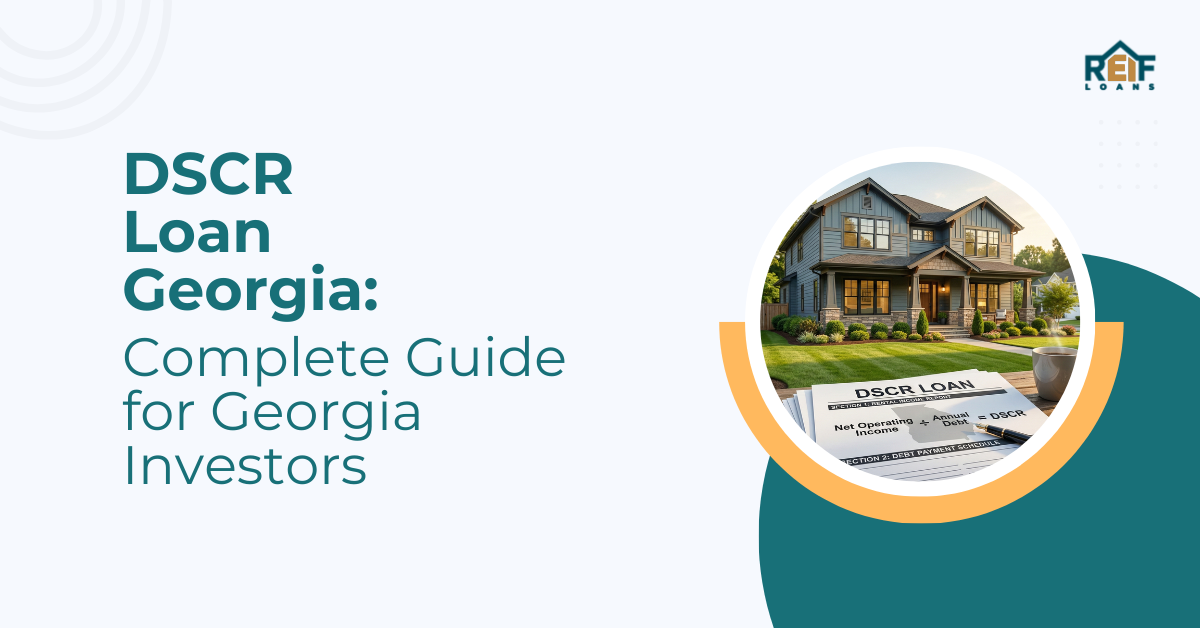
DSCR stands for Debt Service Coverage Ratio. The formula is simple: divide the property’s gross monthly rental income by its total monthly debt obligations, which includes principal, interest, taxes, insurance, and HOA fees if applicable.

For example, if your rental property brings in $2,500 per month and the total monthly debt payment is $2,000, your DSCR is 1.25. Most lenders require a minimum DSCR between 1.0 and 1.25. A ratio above 1.25 typically puts you in a stronger approval position and may open the door to better loan terms.

What Are the Minimum Requirements for a DSCR Loan?

DSCR loans are built differently from conventional financing. Approval is driven by the property’s income performance, not your personal financial profile. That said, there are still baseline criteria every borrower needs to meet.

Credit Score

Most DSCR lenders look for a minimum credit score between 620 and 680. A higher score generally means better rates and more flexible terms, so it is worth reviewing your credit report before you apply.

Down Payment

Plan to put down at least 20% to 25% on an investment property. Some programs allow less for borrowers with strong DSCR ratios or a proven track record as a landlord.

Property Eligibility

DSCR loans typically cover the following property types:

  • Single-family rental homes
  • 2 to 4 unit residential properties
  • Condos and townhomes (with some lender restrictions)
  • Short-term rentals such as Airbnb and VRBO properties
  • Small multifamily buildings

Proof of Rental Income

For occupied properties, a signed lease agreement is the primary income document. For vacant properties, lenders use a market rent appraisal or a 1007 rent schedule completed by a licensed appraiser to estimate what the property should generate.

DSCR Loan Documentation

DSCR Loan Documentation Checklist

This is where most investors run into trouble. The document list for a DSCR loan is shorter than a conventional mortgage, but each item carries real weight. Missing even one can slow things down considerably.

Core Documents Required for All DSCR Loans:

  • Government-issued photo ID
  • Social Security number for credit authorization
  • Signed credit authorization form
  • Bank statements from the last 2 months showing funds for down payment and reserves
  • Investment or retirement account statements if those funds are being used toward closing

Property Income Documents:

  • Signed lease agreement for tenant-occupied properties
  • Rent roll for multi-unit properties
  • 1007 rent schedule or market rent appraisal for vacant properties

Title and Insurance Documents:

  • Title commitment or title report
  • Landlord or investment property insurance policy or quote (standard homeowners insurance is not accepted)
  • Flood certification if the property sits in a designated flood zone

For Purchase Transactions:

  • Fully executed purchase contract
  • Wire transfer confirmation or cashier’s check for earnest money deposit

For Refinance Transactions:

  • Current mortgage statement
  • Property deed showing ownership
  • 12-month payment history on the existing loan
  • Current lease agreements showing active rental income

For LLC or Trust Borrowers:

  • Articles of Organization or Incorporation
  • Operating Agreement
  • EIN documentation
  • Certificate of Good Standing from your state

REIF Loans works regularly with LLC borrowers across all service states. Getting your entity documents together before you apply is one of the simplest ways to avoid unnecessary delays at closing.

Documents You Do Not Need for a DSCR Loan

This is one of the most practical advantages of DSCR financing. Unlike conventional loans, you will not be asked to provide any of the following:

  • W-2s or pay stubs
  • Personal tax returns, federal or state
  • Employment verification letters
  • Profit and loss statements for self-employment income
  • Debt-to-income calculations based on personal earnings

The property qualifies the loan, not your paycheck. That is exactly why DSCR loans work so well for self-employed investors, full-time landlords, and anyone building a rental portfolio who does not fit the standard borrower profile that traditional banks prefer.

DSCR Loan

Common Documentation Mistakes That Delay Approval

Even experienced investors make avoidable errors. Knowing what to watch for can save you days or even weeks in the process.

  • Submitting an unsigned or expired lease agreement
  • Using a standard homeowners insurance policy instead of a landlord or investment property policy
  • Submitting incomplete bank statements with missing pages
  • Outdated LLC documents or a Certificate of Good Standing that has lapsed
  • Relying on informal rent estimates instead of a formal 1007 rent schedule for vacant properties
  • Unresolved title issues such as old liens or ownership disputes that were never cleared

At REIF Loans, walking investors through the full documentation checklist before the file goes to underwriting is a standard part of the process. Catching gaps early is something founder Elizabeth Shvartsman built into the company’s approach from day one, because investors should not lose deals over paperwork.

How to Give Yourself the Best Chance of Approval

Preparation matters more than most investors expect. A few practical steps can make the difference between a smooth closing and a frustrating back-and-forth with underwriting.

  • Pull your credit report before applying so there are no surprises
  • Organize all documents into clearly labeled PDF files before submission
  • Make sure your lease is current, signed, and reflects the actual rent being paid
  • If buying a vacant property, get a market rent analysis done early in the process
  • Keep your entity documents current if you invest through an LLC or trust
  • Have at least 3 to 6 months of reserves sitting in a verifiable account

Working with a lender who actually understands how investors operate makes a significant difference. REIF Loans was built specifically for real estate investors, and the pre-qualification process is designed to give you clear answers quickly without the unnecessary delays that come with traditional bank lending.

Ready to Move Forward With REIF Loans?

DSCR loans remove most of the personal income barriers that block real estate investors from growing their portfolios. But the documentation side still requires attention and accuracy. Getting your paperwork organized before you apply puts you in a much stronger position from the start.

REIF Loans serves investors in Michigan and across 43 states with DSCR loans, cash out refinance options, hard money loans, and non-QM financing built around cash flow strategies. If you are ready to get pre-qualified or simply want to know exactly what you need for your next investment deal, reach out to the REIF Loans team today and get the process started.

How To Apply For A DSCR Loan: Step By Step Process

Real estate investors face a common wall when seeking traditional financing. Lenders demand tax returns, W-2s, employment history, and personal income documentation that has little to do with how rental portfolios actually perform. DSCR loans were built to fix exactly that problem.

At REIF Loans, we work with real estate investors across Michigan and 43 states who need financing based on what actually matters: the income a property generates.

What Is a DSCR Loan and Why Does It Matter?

A DSCR loan, or Debt Service Coverage Ratio loan, is a type of non-QM mortgage that qualifies borrowers based on the rental income of the investment property rather than personal income. The lender looks at whether the property can pay for itself.

The formula is straightforward: Monthly Rental Income divided by Monthly Debt Payment equals your DSCR. A ratio of 1.0 means the property breaks even. A ratio above 1.25 is considered strong by most lenders.

This matters because it removes the biggest barrier traditional loans create for investors who write off income, hold multiple properties, or are self-employed.

See How to Apply for a DSCR Loan

Step 1: Check Your Basic Eligibility

Before you gather a single document, confirm you meet the fundamental requirements. Most DSCR lenders, including REIF Loans, look for the following:

  • Credit score of at least 620 (640 to 680 preferred depending on loan structure)
  • The property must be an income-producing investment property, not your primary residence
  • DSCR ratio of 1.0 or higher at minimum
  • Sufficient cash reserves, typically 3 to 6 months of mortgage payments
  • Property can be held under an LLC or individual name

If you are unsure where you stand, REIF Loans offers a fast pre-qualification process that reviews your situation before you ever fill out a formal application.

How to Apply for a DSCR Loan

Step 2: Gather Your Documents

One of the biggest advantages of a DSCR loan is the simplified paperwork. You do not need personal tax returns or proof of employment. Here is what you will typically need:

  • Signed lease agreement or 12-month rental income history
  • Current rent roll for multi-unit or commercial properties
  • Mortgage statements if you are refinancing an existing property
  • 2 to 3 months of bank statements showing cash reserves
  • Government-issued ID
  • Entity documents if borrowing through an LLC (articles of incorporation, operating agreement)
  • Property insurance information

Getting these documents organized early can shave days off your timeline. At REIF Loans, our team walks investors through exactly what is needed before submission so nothing gets missed.

Step 3: Get Pre-Qualified

Pre-qualification is where the real conversation starts. Your lender will review the property’s projected rental income against the expected monthly debt payment to determine whether the deal works.

During this stage, REIF Loans provides transparent feedback on estimated loan amounts, rate ranges, and DSCR thresholds. This protects you from moving forward on a property that does not meet financing requirements.

Pre-qualification does not require a hard credit pull in most cases and takes very little time when your documents are ready.

Step 4: Submit Your Formal Loan Application

Once pre-qualified, you move into the formal application. This includes:

  • Full property details: address, purchase price or current value, projected or actual rental income
  • Loan purpose: purchase, rate and term refinance, or cash out refinance
  • Borrower structure: individual or LLC
  • Authorization for credit review and background check

After submission, your file is assigned to an underwriter who reviews the full picture. REIF Loans keeps investors informed throughout this stage so there are no surprises waiting on the other end.

Step 5: Property Appraisal and Income Review

Once your application is under review, the lender orders an independent appraisal. The appraiser evaluates the market value of the property and typically completes a rent schedule to validate expected income against comparable rentals in the area.

This is the step where your DSCR ratio becomes official. If the appraised rent comes in lower than expected and pushes your DSCR below 1.0, you have a few options:

  • Increase your down payment to reduce the monthly debt obligation
  • Renegotiate the purchase price with the seller
  • Explore alternative loan structures with your lender

Doing your own rent comparison research before applying helps you enter this step with realistic expectations.

Step 6: Underwriting and Loan Approval

Underwriting is a thorough review of your full file. The underwriter checks the DSCR ratio, loan-to-value ratio, credit profile, and property condition. You may receive a conditions list, which is a short set of items needed before final approval.

Common conditions include:

  • Updated bank statements
  • Property insurance binder
  • Clear title report
  • Any corrections to application details

Once all conditions are satisfied, you receive a Clear to Close notice. Timeline from application to CTC typically runs 2 to 4 weeks depending on file complexity.

Step 7: Closing

At closing, you review and sign the final loan documents. A title company or real estate attorney coordinates this process. Before signing, review your closing disclosure carefully to confirm the interest rate, loan terms, and cash to close figures match what was agreed upon.

For purchases, funding happens shortly after signing. For refinances, there is typically a 3-day right of rescission period before funds are released.


REIF Loans

Common Mistakes to Avoid

Even straightforward deals can hit delays when investors make avoidable errors. Watch out for these:

  • Overestimating rental income before the appraisal confirms it
  • Applying without enough cash reserves in your account
  • Skipping LLC setup when the lender requires entity borrowing
  • Working with a lender who does not specialize in investment property financing
  • Misunderstanding the DSCR threshold required for your specific loan product

REIF Loans was built specifically for real estate investors, so these are conversations we have upfront, not after problems arise.

Why Investors Work with REIF Loans

Founded by Elizabeth Shvartsman, REIF Loans is an investor-focused mortgage lender offering DSCR loans, hard money loans, cash out refinance options, commercial real estate loans, and non-QM financing across Michigan and 43 states.

The approach is simple: fast pre-qualification, transparent terms, and guidance from an advisory team that understands how real estate investors think and operate. Whether you are financing your first rental or refinancing a growing portfolio, REIF Loans structures solutions around your investment goals.

Ready to move forward? Contact REIF Loans today to start your pre-qualification and find out what your next investment property can qualify for.

Investment Property Loans

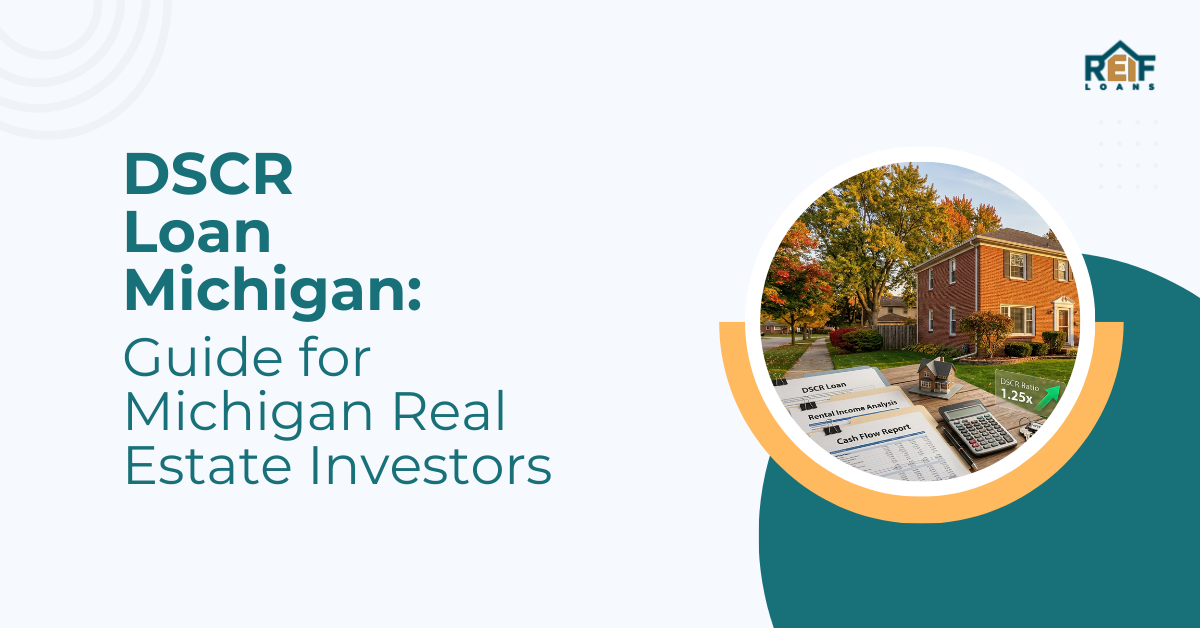
Investment Property Loans Michigan: Complete Guide

Michigan has quietly become one of the more attractive states for real estate investors over the past several years. With affordable entry prices, strong rental demand in cities like Detroit, Grand Rapids, and Lansing, and a recovering economy, the state offers solid cash flow potential for both new and experienced investors. But finding the right loan product is where many investors get stuck.

This guide breaks down everything you need to know about investment property loans in Michigan, including loan types, qualification basics, and how to choose the right lender for your strategy.

What Is an Investment Property Loan?

An investment property loan is a mortgage designed specifically for properties you plan to rent out or flip, rather than live in. These loans work differently from standard home loans in a few key ways.

Lenders look at the property’s income potential alongside your financial profile. Down payment requirements are typically higher, interest rates can differ from primary residence loans, and qualification standards vary depending on the loan type you choose.

Types of Investment Property Loans Available in Michigan

Michigan investors have access to several loan products depending on their strategy, income situation, and property type. Here is a breakdown of the most common options.

DSCR Loans

DSCR stands for Debt Service Coverage Ratio. This loan type qualifies you based on the rental income the property generates, not your personal tax returns or W-2s.

This makes DSCR loans one of the most popular products for buy-and-hold investors, especially those who are self-employed or own multiple properties. REIF Loans specializes in DSCR loans across Michigan and 43 states, helping investors close faster without the documentation headaches of traditional financing.

DSCR loans work best for:

  • Long-term rental property investors
  • Self-employed borrowers with complex income
  • Investors building a rental portfolio
  • Those who want income-based qualification rather than personal income review

Hard Money Loans

Hard money loans are short-term, asset-based loans funded quickly and designed for time-sensitive deals. Approval is based primarily on the property value rather than your credit history or income.

These loans are commonly used by fix-and-flip investors who need to move fast, close quickly, and refinance or sell once the project is complete.

Cash Out Refinance for Investors

If you already own investment properties in Michigan, a cash out refinance lets you tap into your existing equity and pull out capital to fund your next acquisition. This is a popular way to grow a portfolio without needing entirely new capital each time.

Key things to know about cash out refinance:

  • Lenders typically allow up to 75-80% LTV on investment properties
  • Seasoning requirements may apply depending on how long you have owned the property
  • Funds can be used for down payments, renovations, or new purchases

REIF Loans works with investors to structure cash out refinance deals that align with their long-term goals, not just the transaction in front of them.

Non-QM Loans

Non-QM means non-qualified mortgage. These loan products exist for borrowers who do not fit inside the standard qualification box that traditional banks require.

Self-employed investors, those with irregular income streams, or borrowers who have had past credit events often find that non-QM loans are the most practical path forward. REIF Loans offers several non-QM options designed specifically for real estate investors.

Investment Property Loans

Commercial Real Estate Loans

For investors looking at multifamily properties, mixed-use buildings, or larger commercial assets in Michigan, commercial real estate loans are the appropriate product. These loans are structured differently than residential mortgages and typically involve a more detailed underwriting process focused on the property’s income and market value.

How to Qualify for an Investment Property Loan in Michigan

Qualification requirements vary by loan type, but here are the general benchmarks most Michigan investors should prepare for.

Typical qualification factors include:

  • Credit score of 620 or higher for most conventional products (680+ preferred for better rates)
  • Down payment of 20 to 25% for most investment property loans
  • Proof of sufficient cash reserves after closing
  • Property cash flow analysis for DSCR loan qualification
  • No personal income documentation required for DSCR and some non-QM products

One of the advantages of working with REIF Loans is the fast pre-qualification process. Founder Elizabeth Shvartsman built REIF Loans specifically for investors, which means the process is designed around how investors actually operate, not how a traditional bank expects borrowers to look on paper.

Michigan Markets Worth Paying Attention To

Choosing the right market matters as much as choosing the right loan. Michigan has several cities with real investment potential right now.

  • Detroit offers some of the lowest entry prices in any major metro, with improving neighborhoods and increasing rental demand
  • Grand Rapids has a strong job market, low vacancy rates, and consistent appreciation over the past few years
  • Lansing and East Lansing benefit from a large student population, creating steady demand for rental units near Michigan State University
  • Ann Arbor commands premium rents, driven by the University of Michigan and a strong professional tenant base

REIF Loans lends in Michigan and 43 additional states, so if your strategy eventually takes you beyond Michigan’s borders, the same lending relationship can follow you.

Financing in Michigan

Common Mistakes Investors Make When Financing in Michigan

Even experienced investors make avoidable mistakes when it comes to financing. Here are a few worth watching for.

  • Choosing a short-term loan for a long-term hold strategy, which creates unnecessary refinance costs
  • Not accounting for cash flow requirements when calculating DSCR ratios
  • Working with a lender who does not understand investor-specific loan products
  • Waiting too long to get pre-qualified and losing deals to faster buyers

Why REIF Loans for Michigan Investment Property Financing

REIF Loans was founded by Elizabeth Shvartsman with a clear focus: serve real estate investors with transparent lending, honest advisory, and fast execution. The company is not a generalist lender trying to serve every borrower type. It focuses on investors and structures its products, process, and service around that specific client.

Whether you need a DSCR loan for a new rental, a hard money loan for a quick flip, a cash out refinance to fund your next deal, or a non-QM product because your income does not fit a traditional mold, REIF Loans has a solution built for you.

Ready to get pre-qualified? Connect with REIF Loans today and take the first step toward financing your next Michigan investment property with a lender who actually understands what you are building.

FHA Loan Requirements Texas: Complete 2026 Guide

Buying a home in Texas is one of the biggest financial decisions you will ever make. If credit scores or down payment savings have been holding you back, an FHA loan might be exactly what opens the door for you. This guide breaks down everything you need to qualify in 2026.

What Exactly Is an FHA Loan?

An FHA loan is a government-backed mortgage insured by the Federal Housing Administration. Because the government reduces the risk for lenders, these loans come with more flexible requirements compared to conventional financing.

FHA loans are popular in Texas because the state has a large population of first-time buyers and moderate-income households who benefit from lower entry barriers. They are not investor loans, but understanding them helps buyers make smarter decisions about their financing path.

Credit Score Requirements for FHA Loans in Texas

Your credit score plays a big role in determining your down payment amount. Here is what the 2026 FHA guidelines require:

  • 580 or higher: Qualifies for the minimum 3.5% down payment
  • 500 to 579: Requires a 10% down payment
  • Below 500: Does not qualify for FHA financing

Keep in mind that individual lenders may set stricter minimums than what FHA officially allows. This is called a lender overlay. Shopping around with multiple lenders is always a smart move.

FHA Loan

Down Payment Requirements for FHA Loans in Texas

One of the biggest draws of FHA loans is the low down payment requirement. With a 580+ credit score, you only need to put down 3.5% of the purchase price.

What many buyers do not know is that your down payment funds can come from a gift from a family member or through down payment assistance programs. Texas has several state-level programs, including those offered through the Texas Department of Housing and Community Affairs (TDHCA), that can help cover upfront costs.

Debt-to-Income Ratio (DTI) Requirements

Your DTI ratio compares your monthly debt obligations to your gross monthly income. FHA guidelines in 2026 generally allow:

  • 43% DTI as the standard maximum
  • Up to 50% DTI in some cases with strong compensating factors like a larger down payment or significant cash reserves

If your DTI is on the higher end, working on paying down credit card balances before applying can make a noticeable difference in your approval odds.

Property Requirements for FHA Loans in Texas

FHA loans come with specific rules about the type of property you can buy. The property must:

  • Be your primary residence (not a vacation home or investment property)
  • Pass an FHA appraisal, which checks both value and safety conditions
  • Meet HUD minimum property standards for structural integrity, working utilities, and habitability

This is one of the key reasons real estate investors look beyond FHA financing. Because FHA loans are restricted to owner-occupied properties, investors typically need products like DSCR loans or non-QM loans instead.

Income and Employment Requirements

FHA lenders want to see that you have a stable financial history before approving your loan. The standard requirements include:

  • Two years of consistent employment history, ideally with the same employer or in the same field
  • Verifiable income through W-2s, tax returns, or pay stubs
  • Self-employed borrowers need two years of tax returns showing consistent or growing income

There is no official minimum income requirement for FHA loans. What matters is whether your income is sufficient to support your monthly mortgage payment while keeping your DTI within acceptable limits.

FHA Loans in Texas

Mortgage Insurance Premium (MIP) Requirements

Every FHA loan in Texas comes with mortgage insurance, regardless of your down payment size. Here is how it works:

  • Upfront MIP: 1.75% of the total loan amount, paid at closing or rolled into the loan
  • Annual MIP: Ranges from 0.15% to 0.75% depending on loan term, loan amount, and down payment
  • Duration: If your down payment is less than 10%, MIP lasts for the life of the loan

MIP adds to your total cost of borrowing. Many buyers factor this into their comparison between FHA and conventional loan options before making a final decision.

FHA Loan Limits in Texas for 2026

FHA loan limits vary by county and are updated each year based on local home prices. For most Texas counties in 2026, the standard limit for a single-family home sits around $524,225. Higher-cost areas like Austin may see limits above that threshold.

You can look up the exact limit for your county using the HUD loan limit lookup tool on their official website. If the home you want is priced above the FHA limit for your county, you would need to explore conventional or jumbo financing options.

When FHA Is Not the Right Fit

FHA loans serve a specific type of buyer. If you are a real estate investor looking to build a rental portfolio, FHA financing simply does not apply because of the primary residence rule.

This is where lenders like REIF Loans come in. Founded by Elizabeth Shvartsman, REIF Loans works with investors across Texas and 43 other states, providing financing options built specifically for cash flow strategies. Products like DSCR loans, hard money loans, and non-QM loans are designed for investors who need flexible qualification based on property income rather than personal income documentation.

If you are at the stage where you have outgrown traditional financing and want to scale your portfolio, REIF Loans offers fast pre-qualification and transparent lending designed around investor goals.

Final Thoughts

FHA loans remain one of the most accessible mortgage products for Texas homebuyers in 2026. With a 580 credit score, a 3.5% down payment, and a stable employment history, most buyers have a realistic path to approval.

For those on the investment side of real estate, the conversation is different. REIF Loans specializes in the financing tools investors actually need, from DSCR loans to commercial real estate loans, helping clients build long-term wealth through property with confidence and clarity.

Frequently Asked Questions

Can I use an FHA loan to buy a rental property in Texas? No. FHA loans require the property to be your primary residence.

How long does FHA approval take? Typically 30 to 60 days from application to closing, depending on the lender and how quickly documentation is gathered.

Can I qualify after a bankruptcy? Yes. FHA allows applications two years after a Chapter 7 discharge and one year into a Chapter 13 repayment plan, with court approval.

Is there an income limit for FHA loans? No official income cap exists. Your income just needs to support the loan based on DTI guidelines.

REIF Loans

Why Investors Read the REIF Loans Blog

Our readers come to us for one reason: clarity. We translate lending complexity into actionable information that helps you make faster, smarter decisions.

You'll Learn How To:

By following our blog, you gain direct insight from professionals who work in investor financing daily.

Market-Focused Tips for Every Investor

Real estate markets shift, but informed investors always adapt. Our blog covers national and regional market updates, interest rate forecasts, and policy changes that affect real estate financing.

Common features include:

We also publish actionable tips for managing cash flow, handling property cycles, and refinancing at the right time.
REIF Loans Blog Market Trends and Rate Drivers

How the Blog Supports Your Investment Goals

The REIF Loans Blog isn’t just about reading. It’s about applying knowledge. Each article connects directly to our tools, calculators, and loan programs so you can put learning into action.
DSCR Calculator

Evaluate property income and debt service coverage ratio

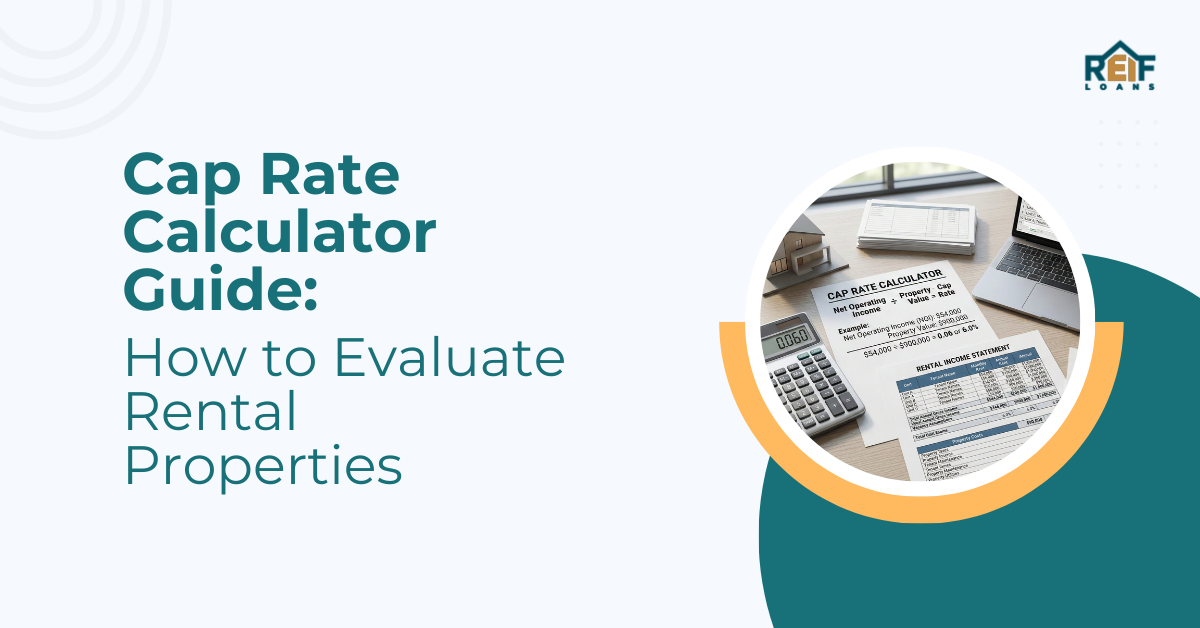
Cap Rate Calculator

Measure investment performance and capitalization rates

Cash-Out Refinance Calculator

Unlock equity for new deals and investment opportunities

Service Area Map

Explore state-specific programs and opportunities

Start Reading and Strengthen Your Strategy

Knowledge builds confidence and confidence builds portfolios. Explore our latest articles to learn how to make financing, underwriting, and cash flow decisions like a professional investor.