If you have heard people talk about making money in real estate without ever buying a property, they were probably talking about wholesaling. It sounds complicated at first, but the concept is actually pretty straightforward once you break it down.
This guide walks you through everything you need to know as a beginner, from what wholesaling actually is to how the process works step by step.
What is Wholesale Real Estate?
Wholesaling real estate is a short-term investment strategy where you find a discounted property, put it under contract, and then sell that contract to another buyer before closing. You never actually own the property. Your profit comes from the difference between the price you locked in with the seller and the price the end buyer agrees to pay.
It is one of the few real estate strategies where you can get started with very little capital, which is why so many beginners are drawn to it.
Wholesale Property Example
Here is a simple example to make this concrete. Say you find a distressed home worth $150,000 after repairs. The seller is motivated and agrees to a contract price of $100,000. You find a cash buyer willing to pay $115,000 for that same contract. You assign the contract to the buyer and collect the $15,000 difference as your assignment fee.
You never took out a mortgage. You never owned the home. You acted as the connector between a motivated seller and a ready buyer.

Steps to Real Estate Wholesaling
The wholesaling process has several moving parts, but once you run through it a few times it starts to feel like a repeatable system.
1. Do Your Research
Before anything else, you need to understand your local market. Study neighborhood values, recent sales, and what types of properties cash buyers are actively looking for in your area.
2. Find the Right Property
Wholesalers typically look for distressed or off-market properties where sellers are motivated to move quickly. Common ways to find these include:
- Driving for dollars (spotting neglected properties in person)
- Direct mail campaigns to absentee owners
- Online platforms and foreclosure listings
- Networking with other investors and agents
3. Crunch the Numbers
This step is critical. You need to calculate the After Repair Value (ARV) of the property and estimate realistic repair costs. From there, use the Maximum Allowable Offer (MAO) formula to figure out the highest price you can offer and still leave room for your fee and the buyer’s profit.
4. Get in Touch with the Seller
Reach out and start a conversation. Many motivated sellers just want a fast, hassle-free transaction. Be straightforward about your process and what you can offer.
5. Perform Due Diligence
Before signing anything, verify the property’s condition, title status, and any liens or back taxes. Skipping this step can cause deals to fall apart later.
6. Get the Property Under Contract
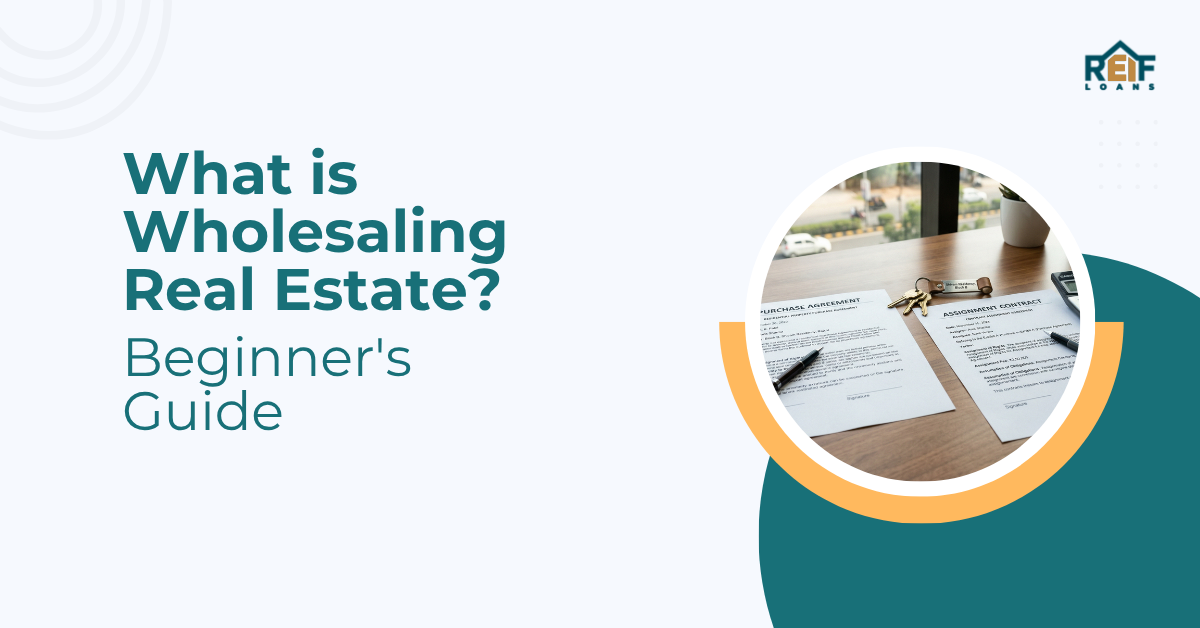
Once both sides agree, sign a purchase agreement that includes an assignment clause. This clause is what gives you the legal right to transfer the contract to another buyer.
7. Market Your Contract to Cash Buyers
Now you take the deal to your buyers list. Cash buyers are typically:
- Real estate investors and flippers
- Landlords looking to grow their rental portfolio
- Private equity groups focused on residential acquisitions
8. Reassign the Contract to the End Buyer
Once a buyer agrees to your price, you sign an assignment of contract document. They take over your position in the deal, close with the seller directly, and you collect your assignment fee at closing.

Pros and Cons of Wholesaling Real Estate
Like any strategy, wholesaling has real strengths and real limitations.
Pros
- Low startup capital compared to buying and holding properties
- No need to take on mortgage debt or own the asset
- Faster transactions than traditional real estate deals
- Builds market knowledge and investor relationships quickly
- Good entry point for people testing the real estate space
Cons
- Income is inconsistent since you only earn deal by deal
- Requires strong marketing, networking, and negotiation skills
- Building a reliable buyers list takes time and effort
- Legal requirements vary by state and can be complex
- Thin margins if your numbers are even slightly off
Wholesaling Real Estate vs. Flipping Houses
These two strategies are often grouped together but they are quite different in practice. A flipper actually purchases the property, renovates it, and sells it for a profit. That requires capital, financing, and time managing a construction project.
A wholesaler skips all of that. The goal is to move the contract quickly and collect a fee without ever owning the asset. Flipping typically offers higher profit per deal, but wholesaling offers speed and lower risk for someone just getting started.
Many investors use wholesaling as a learning phase before eventually moving into flipping or building a rental portfolio.
When Wholesaling Leads to Long-Term Investing
Wholesaling is a great starting point, but most serious investors eventually want to own properties and build lasting cash flow. That is where financing becomes important.
When you are ready to transition from wholesaling into holding rental properties or scaling your portfolio, Real Estate Investor Friendly Loans is built specifically for that next step. Founded by Elizabeth Shvartsman, Real Estate Investor Friendly Loans works with real estate investors across Michigan and 43 states, offering:
- Real Estate Property DSCR Loans that qualify based on rental income, not your personal tax returns
- Hard money mortgage for investors moving quickly on time-sensitive deals
- Cash-out refinance options to pull equity from existing properties
- Long-term rental property financing for portfolio growth
Whether you are buying your first investment property or refinancing a growing portfolio, Real Estate Investor Friendly Loans offers fast pre-qualification and investor-focused guidance from people who actually understand how real estate investors operate.

Common Mistakes Beginners Make in Wholesaling
Even with a solid understanding of the process, beginners tend to run into the same issues early on:
- Overestimating ARV or underestimating repair costs
- Locking up properties without having a buyers list in place
- Using poorly written contracts that do not include an assignment clause
- Skipping due diligence on title issues or property condition
- Treating wholesaling like passive income instead of an active business
Final Thoughts
Wholesaling real estate is a legitimate and accessible way to get started in real estate investing without needing a large amount of capital or a mortgage. It teaches you how to analyze deals, negotiate with sellers, and build relationships with buyers, all skills that carry over into every other real estate strategy.
The key is treating it seriously, doing the work to understand your market, and being patient while you build your systems and your network.
And when you are ready to graduate from wholesaling into owning investment properties, Real Estate Investor Friendly Loans is ready to help you take that next step. Visit Real Estate Investor Friendly Loans to explore your financing options or get pre-qualified today.