
















REIF Loans Blog for Real Estate Investors

Your source for real-world insights on DSCR loans, market trends, and investor success strategies. Whether you’re financing your first rental or expanding your property portfolio, our blog gives you advice on everything from underwriting tips to case studies that show what works in today’s lending landscape.

Insights That Help Investors Make Confident Decisions

The REIF Loans Blog is built for serious investors who want clarity behind their financing choices.

We break down complex loan programs, market trends, and investment strategies into simple, practical insights you can use right away.

Our goal is to help you evaluate opportunities, avoid costly lending mistakes, and grow your real estate portfolio with confidence.

Blog Loan Programs

Topics We Cover

Every article is designed to educate and empower investors: whether you’re focused on cash flow, long-term appreciation, or better loan structures.
 Here’s what you’ll find inside the REIF Loans Blog.

Investment property financing

Investment Property Financing: Complete Guide for 2025

Securing the right financing can make or break your real estate investment. Whether you are buying your first rental property or expanding a growing portfolio, understanding your loan options in 2025 is essential for making smart decisions.The investment property lending landscape has shifted over the past few years. Traditional bank loans are no longer the only path forward. Today, investors have access to specialized loan products designed specifically for income-producing properties. This guide breaks down everything you need to know about financing investment properties this year.

What Is Investment Property Financing?

Investment property financing refers to loans used to purchase, refinance, or pull equity from properties that generate rental income or appreciation. These loans differ significantly from traditional home mortgages because lenders view them as higher risk.When you buy a primary residence, lenders focus heavily on your personal income and employment history. With investment properties, they also evaluate the property’s income potential, your experience as an investor, and your overall financial reserves. This is why working with a lender like REIF Loans, which specializes in investor-focused lending, often leads to better outcomes than approaching a traditional bank.

Types of Investment Property Loans in 2025

Choosing the right loan type depends on your investment strategy, timeline, and financial situation. Here are the most common options available to real estate investors this year.

DSCR Loans

DSCR loans have become increasingly popular among rental property investors. These loans qualify borrowers based on the property’s cash flow rather than personal income, making them ideal for self-employed investors or those with complex tax returns.Key features of DSCR loans include:
  • Qualification based on rental income covering the mortgage payment
  • No personal income documentation required in many cases
  • Available for single-family rentals, multi-family properties, and short-term rentals
  • Faster closing timelines compared to conventional loans
property financing

Conventional Investment Property Loans

Traditional financing through Fannie Mae or Freddie Mac guidelines remains an option for investors with strong W-2 income and solid credit scores. These loans typically offer competitive interest rates but come with stricter qualification requirements.Expect the following with conventional investment loans:
  • Down payments of 20% to 25% for most investment properties
  • Full income and employment verification
  • Debt-to-income ratio limits that may restrict how many properties you can finance
  • Limits on the total number of financed properties (usually 10)

Hard Money Loans

Hard money loans serve a specific purpose in the investor toolbox. These short-term loans provide fast funding for fix-and-flip projects, property acquisitions, or bridge financing situations where speed matters more than long-term costs.REIF Loans offers hard money options for investors who need to move quickly on deals. While interest rates are higher than traditional loans, the speed and flexibility often justify the cost for the right project.

Cash Out Refinance for Investors

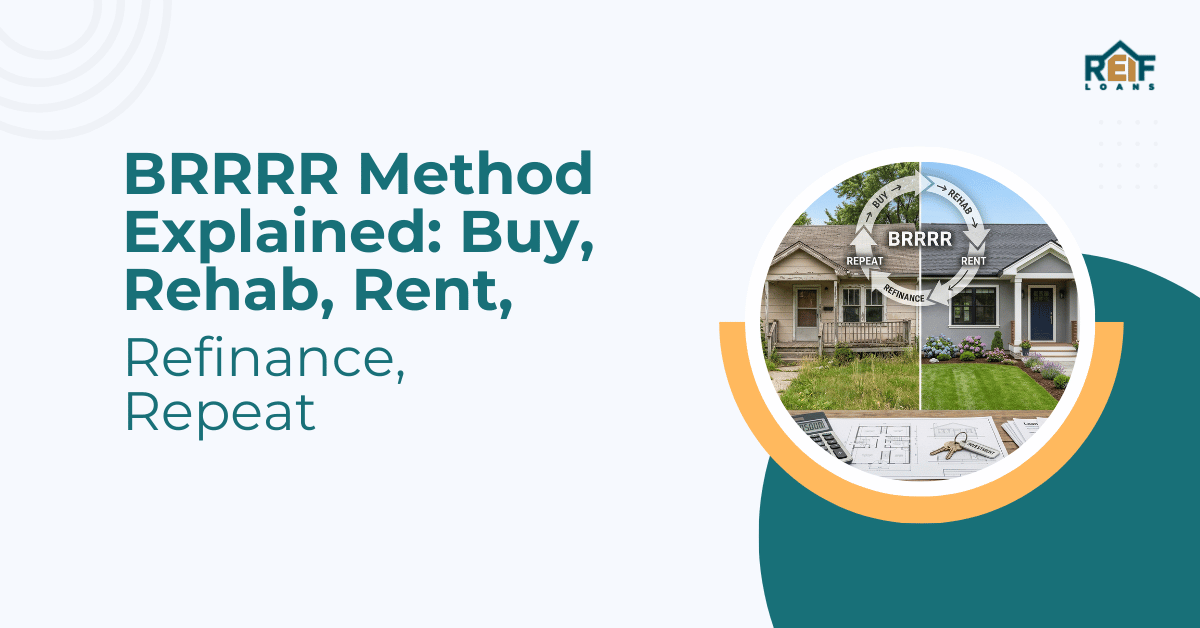
Experienced investors use cash out refinancing to pull equity from existing properties and fund new acquisitions. This strategy is central to the popular BRRRR method (Buy, Rehab, Rent, Refinance, Repeat).Benefits of cash out refinancing include:
  • Access to capital without selling properties
  • Potential to recycle your down payment into multiple deals
  • Consolidation of short-term debt into long-term financing
  • Continued ownership and cash flow from existing rentals

Non-QM and Portfolio Loans

Non-QM loans fall outside the standard qualified mortgage guidelines, giving lenders flexibility in how they underwrite deals. These loans work well for investors with non-traditional income sources, foreign nationals, or those who have exceeded conventional loan limits.

Investment Property Financing Requirements in 2025

Every loan type has different requirements, but most investment property lenders evaluate similar factors when making decisions.Credit score expectations vary by loan type:
  • Conventional loans typically require 680 or higher
  • DSCR loans may accept scores as low as 620
  • Hard money loans focus more on the deal than credit scores
Down payment requirements also differ:
  • Conventional investment loans need 20% to 25% down
  • DSCR loans often require 20% to 25% down
  • Hard money loans may require 10% to 30% depending on the project
Most lenders also require cash reserves equal to several months of mortgage payments. This protects both you and the lender if the property experiences vacancy or unexpected repairs.property loans

How to Choose the Right Financing for Your Strategy

Your investment strategy should drive your financing decision. A buy-and-hold investor focused on long-term cash flow has different needs than a fix-and-flip investor who plans to sell within six months.Ask yourself these questions before selecting a loan:
  • How long do I plan to hold this property?
  • Is cash flow or equity growth my primary goal?
  • Do I need to close quickly to win the deal?
  • Can I document my income through traditional means?
  • How many properties do I plan to acquire in the next few years?
The answers will point you toward the right loan product. For long-term rentals, DSCR loans from REIF Loans often provide the best combination of flexibility and favorable terms.

Common Mistakes to Avoid

Many investors make financing mistakes that cost them money or limit their growth potential.Watch out for these common errors:
  • Underestimating closing costs and reserve requirements
  • Choosing a loan based solely on interest rate without considering terms
  • Not getting pre-qualified before making offers
  • Working with lenders unfamiliar with investment properties
  • Failing to account for vacancy and maintenance in cash flow projections

Why Work With an Investor-Focused Lender

Traditional banks often struggle with investment property loans. Their underwriters may not understand rental income calculations, and their timelines can cause you to lose deals.REIF Loans specializes exclusively in real estate investor financing. With DSCR loans, hard money options, cash out refinancing, and portfolio solutions available across Michigan and 43 other states, REIF Loans understands what investors need. Fast pre-qualification, transparent terms, and investor-first advisory make a real difference when you are competing for properties.Investment property financing

Final Thoughts

Investment property financing in 2025 offers more options than ever before. The key is matching the right loan product to your specific strategy and working with a lender who understands investor needs. Whether you are acquiring your first rental or scaling a multi-property portfolio, taking time to understand your financing options will pay dividends for years to come.
DSCR vs Conventional Loan

DSCR vs Conventional Loan: Which is Better for Investors?

Choosing the right financing option can make or break your real estate investment strategy. For investors looking to grow their rental property portfolio, understanding the differences between DSCR vs conventional loans is essential before signing on the dotted line.

Both loan types serve real estate investors, but they work in fundamentally different ways. Your income situation, investment goals, and how quickly you want to scale will determine which option fits your needs best. This guide from REIF Loans breaks down everything you need to know to make a confident decision.

What is a DSCR Loan?

A DSCR loan, or Debt Service Coverage Ratio loan, qualifies borrowers based on the rental income a property generates rather than personal income. Lenders calculate the DSCR by dividing the property’s gross rental income by its total debt obligations, including the mortgage payment, taxes, and insurance.

Most lenders require a DSCR of 1.0 to 1.25, meaning the property’s income must cover 100% to 125% of its monthly expenses. This makes DSCR loans particularly attractive for self-employed investors or those who write off significant expenses on their tax returns.

Key features of DSCR loans include:

  • No W-2 or personal income verification required
  • Qualification based entirely on property cash flow
  • Available for purchases through LLCs or business entities
  • Works for both long-term rentals and short-term vacation properties
  • Faster closing timelines compared to conventional financing
  • No limit on the number of financed properties

What is a Conventional Loan for Investment Properties?

Conventional loans follow guidelines set by Fannie Mae and Freddie Mac, which means stricter documentation requirements. These loans evaluate your personal income, employment history, credit score, and debt-to-income ratio before approval.

For investment properties, conventional lenders typically require two years of tax returns, pay stubs, and proof of reserves. While the qualification process takes longer, investors often benefit from lower interest rates compared to alternative financing options.

Key features of conventional loans include:

  • Lower interest rates for qualified borrowers
  • Requires full income and employment documentation
  • DTI ratio typically capped at 43% to 45%
  • Minimum credit scores usually start at 620 to 680
  • Down payments range from 15% to 25% for investment properties
  • Limited to 10 financed properties per borrower

DSCR vs Conventional Loan

DSCR vs Conventional Loan: Side-by-Side Comparison

Understanding how these two loan types stack up against each other helps investors make smarter financing decisions. The table below highlights the most important differences.

FactorDSCR LoanConventional Loan
Qualification BasisProperty rental incomePersonal income and DTI
Income DocumentationNot requiredW-2s, tax returns, pay stubs
Typical Interest RatesHigher (7% to 9%+)Lower (6% to 8%)
Down Payment20% to 25%15% to 25%
Credit Score Minimum620 to 680620 to 700
Closing Timeline2 to 3 weeks30 to 45 days
Property LimitUnlimited10 properties max
LLC OwnershipYesLimited options
Short-Term RentalsYesOften restricted

The comparison reveals a clear trade-off between flexibility and cost. DSCR loans offer more freedom, while conventional loans reward strong personal financials with better rates.

When to Choose a DSCR Loan

DSCR loans work best for investors whose personal income documentation does not reflect their true financial strength. If you are self-employed, own multiple businesses, or take significant tax deductions, your tax returns may show lower income than what you actually earn.

This loan type also makes sense when you want to scale quickly. Since there is no cap on the number of DSCR loans you can hold, investors building larger portfolios often prefer this route.

Consider a DSCR loan if you:

  • Are self-employed with complex tax returns
  • Want to purchase investment property through an LLC
  • Have already reached the 10-property conventional loan limit
  • Need a faster closing timeline for competitive deals
  • Plan to invest in short-term rentals or Airbnb properties
  • Prefer qualification based on the deal itself, not your job

When to Choose a Conventional Loan

Conventional loans remain the go-to choice for W-2 employees with straightforward income documentation. If you can easily prove your earnings and have a strong debt-to-income ratio, you will likely qualify for better interest rates with conventional financing.

First-time investors purchasing their initial rental properties often start with conventional loans before transitioning to DSCR options later. The savings on interest can add up significantly over the life of a 30-year mortgage.

Consider a conventional loan if you:

  • Have stable W-2 employment with documented income
  • Are purchasing your first one to four investment properties
  • Want the lowest possible interest rate
  • Have excellent credit and low existing debt
  • Do not mind a longer approval and closing process

DSCR vs Conventional Loan

Building a Portfolio: Which Loan Supports Long-Term Growth?

Many successful investors use both loan types at different stages of their journey. Starting with conventional loans helps secure lower rates on your first few properties, while DSCR loans allow you to keep scaling once you hit conventional lending limits.

The 10-property cap on conventional financing creates a ceiling that active investors reach faster than expected. At that point, DSCR loans become essential for continued portfolio growth without relying on personal income documentation.

How REIF Loans Helps Investors Find the Right Fit

REIF Loans specializes in DSCR loans and real estate investor financing across Michigan and 43 states. Founded by Elizabeth Shvartsman, the company takes an investor-first approach to help clients match their financing with their specific goals.

Whether you need rental property financing for a single-family home or commercial real estate loans for a larger project, REIF Loans provides transparent lending with fast pre-qualification. The team understands that every investor’s situation is different, which is why personalized advisory matters.

DSCR vs Conventional Loan

Final Thoughts

Neither DSCR nor conventional loans are universally better. The right choice depends on your income documentation, how many properties you already own, and how quickly you want to grow your portfolio.

DSCR loans offer flexibility and speed for investors who want to qualify based on property performance. Conventional loans deliver lower rates for those with strong personal financials and straightforward documentation. Many investors find success using both over time.

Ready to explore your options? Contact REIF Loans today to discuss which financing path aligns with your investment strategy.

DSCR Loan Florida:

DSCR Loan Florida: Your Guide to Florida Investment Loans

Savvy real estate investors are discovering why Florida remains one of the hottest markets for rental property investment. With steady population growth, strong tourism demand, and no state income tax, the Sunshine State offers opportunities that are hard to ignore. But financing multiple investment properties through traditional lenders can be frustrating, especially if you are self-employed or have complex tax returns.

That is where DSCR loans come in. A DSCR loan Florida investors can use allows you to qualify based on your property’s rental income rather than your personal W-2s or tax documents. This guide covers everything you need to know about Florida investment loans and how DSCR financing can help you grow your portfolio.

What Is a DSCR Loan?

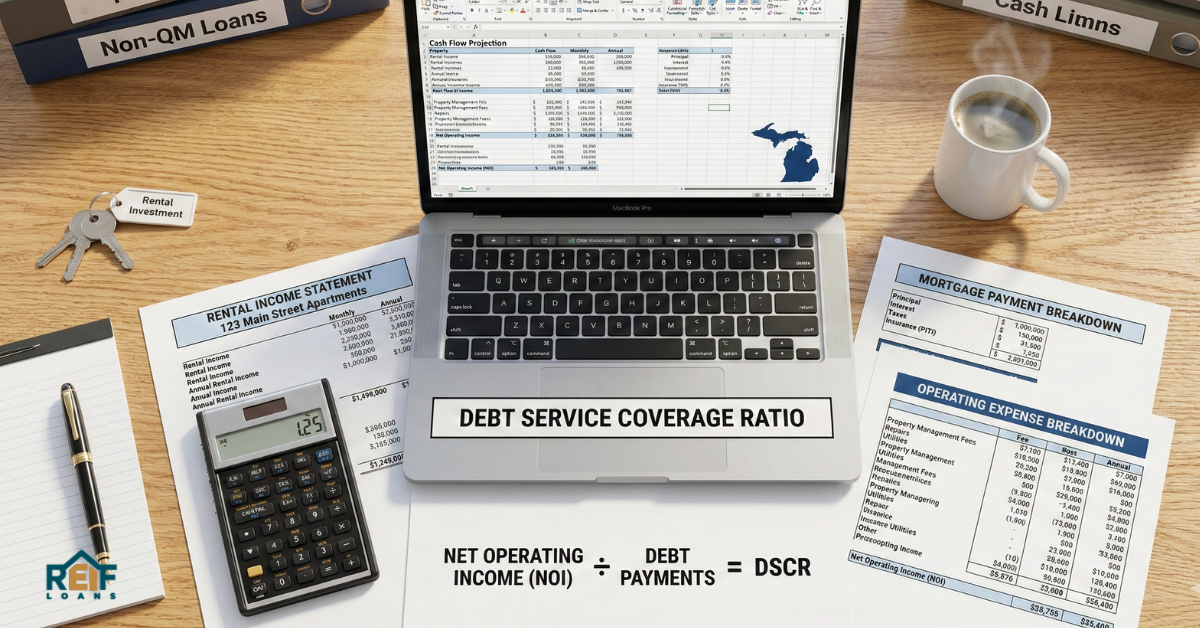
DSCR stands for Debt Service Coverage Ratio. It measures whether a rental property generates enough income to cover its mortgage payments. Lenders calculate this ratio by dividing the property’s net operating income by its total debt obligations.

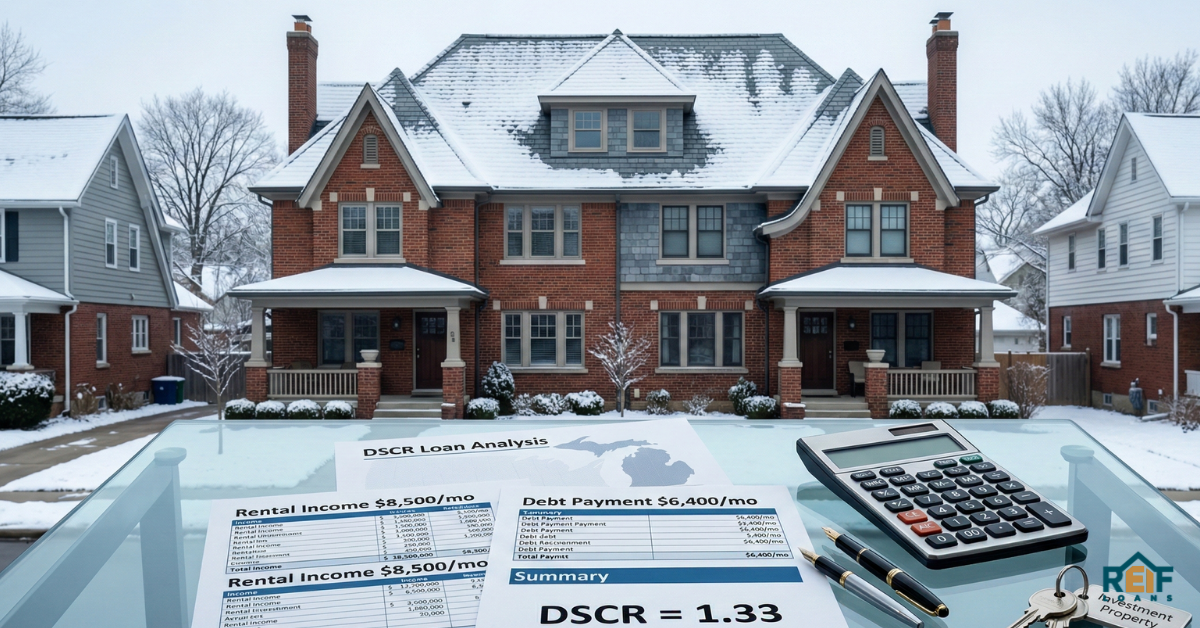
For example, if your property brings in $2,000 per month in rent and your mortgage payment is $1,600, your DSCR would be 1.25. Most lenders look for a ratio of at least 1.0 to 1.25, meaning the property’s income meets or exceeds the debt payments. The higher your DSCR, the stronger your application looks to lenders.

Why Florida Attracts DSCR Loan Investors

Florida’s real estate market continues to draw investors from across the country, and for good reason. The state added over 365,000 new residents in recent years, creating consistent demand for rental housing. Cities like Miami, Tampa, Orlando, and Jacksonville offer diverse investment opportunities ranging from single-family rentals to vacation properties.

The short-term rental market is particularly strong in Florida. Tourist destinations generate year-round demand for Airbnb and VRBO properties, making them ideal candidates for DSCR financing. Add in the benefit of zero state income tax, and Florida becomes even more attractive for building a rental portfolio.

Who Should Consider a DSCR Loan in Florida?

DSCR loans work well for investors who struggle with traditional lending requirements. If your financial situation does not fit neatly into a conventional mortgage application, this type of financing might be exactly what you need.

DSCR loans are ideal for:

  • Self-employed investors whose tax returns do not reflect their true income
  • Business owners with write-offs that reduce their reported earnings
  • Foreign nationals looking to invest in Florida real estate
  • Experienced investors scaling their portfolios quickly
  • Real estate professionals who already own multiple financed properties
  • Anyone who wants to avoid the hassle of extensive income documentation

The key advantage is simple. Lenders focus on whether the property can pay for itself rather than dissecting your personal finances.

DSCR Loan Requirements in Florida

While DSCR loans offer more flexibility than conventional mortgages, you still need to meet certain criteria. Understanding these requirements ahead of time helps you prepare a stronger application.

Typical DSCR loan requirements include:

  • Minimum DSCR ratio of 1.0 to 1.25 depending on the lender
  • Credit score of 620 to 680 or higher
  • Down payment of 20% to 25% for most property types
  • Property must be investment or rental use only
  • Appraisal with rental income analysis or comparable market rents

DSCR loans work for various property types including single-family homes, duplexes, triplexes, four-unit properties, condos, and even short-term rentals. Some lenders also offer interest-only payment options for investors focused on cash flow.

Benefits of DSCR Loans for Florida Investors

Choosing a DSCR loan over traditional financing comes with several practical advantages. These benefits make it easier to acquire properties and scale your investment business over time.

Key benefits include:

  • No W-2s, pay stubs, or tax returns required for qualification
  • Faster approval process compared to conventional loans
  • Ability to close in your LLC or business entity name
  • Easier path to financing multiple properties simultaneously
  • Works for both long-term rentals and short-term vacation properties
  • Flexible terms including 30-year fixed and interest-only options

For investors who want to move quickly in competitive Florida markets, the speed and simplicity of DSCR financing can make the difference between landing a deal or losing it.

How to Apply for a DSCR Loan Florida

The application process for a DSCR loan is straightforward compared to traditional mortgages. Working with an experienced lender like REIF Loans can make it even smoother.

Here is what the process typically looks like:

  1. Identify your target investment property in Florida
  2. Gather property documents including lease agreements or projected market rents
  3. Complete a pre-qualification application with your lender
  4. Order an appraisal that includes a rental income analysis
  5. Review and sign your loan documents
  6. Close and fund your purchase or refinance

REIF Loans specializes in working with real estate investors and offers fast pre-qualification so you know your buying power before you start shopping for properties.

Tips for Getting Approved

A little preparation goes a long way when applying for a DSCR loan. Following these tips can improve your chances of approval and help you secure better terms.

  • Choose properties with strong rental histories or proven market demand
  • Use realistic rent projections supported by comparable properties in the area
  • Maintain a credit score above 680 for the best rates
  • Keep cash reserves available for closing costs and initial expenses
  • Work with a lender who understands investment property financing

Investors who come prepared with solid property financials and reasonable expectations tend to close faster and with fewer complications.

Why Work with REIF Loans for Your Florida Investment

REIF Loans was built specifically for real estate investors. Founded by Elizabeth Shvartsman, the company provides DSCR loans, rental property financing, and cash out refinance options across Florida and 43 other states. Whether you are purchasing your first rental or adding to an existing portfolio, REIF Loans offers transparent lending and investor-first service.

The team understands that time matters in real estate. Fast pre-qualification and clear communication help you move confidently when the right property comes along.

Final Thoughts

A DSCR loan Florida investors can count on opens doors that traditional financing often keeps closed. By qualifying based on property income rather than personal tax returns, you gain the flexibility to grow your portfolio on your own terms. Florida’s strong rental market, population growth, and favorable tax environment make it an ideal place to put DSCR financing to work.

If you are ready to explore your options, reach out to REIF Loans today. Their team can help you get pre-qualified and start building your Florida investment portfolio with confidence.

DSCR Loan Texas

DSCR Loan Texas: Complete Guide for Texas Investors

Texas continues to attract real estate investors from across the country, and for good reason. Strong job growth, no state income tax, and landlord-friendly regulations make the Lone Star State one of the best markets for rental property investing. But qualifying for traditional mortgages can be difficult when you own multiple properties or have complex income situations.

That is where DSCR loans come in. These investor-focused financing options allow you to qualify based on your property’s rental income rather than your personal tax returns. In this guide, REIF Loans breaks down everything Texas investors need to know about DSCR loans, including requirements, benefits, and how to get started.

What Is a DSCR Loan?

A DSCR loan is a type of non-QM mortgage designed specifically for real estate investors. Instead of verifying your W-2 income or employment history, lenders look at one key metric: whether your rental property generates enough income to cover its debt payments.

DSCR stands for Debt Service Coverage Ratio. You calculate it by dividing your property’s gross rental income by the total monthly mortgage payment, including principal, interest, taxes, and insurance. If the result is 1.0 or higher, your property breaks even or produces positive cash flow.

Example calculation for a Texas rental property:

  • Monthly rent: $2,200
  • Monthly PITIA (principal, interest, taxes, insurance, association dues): $1,800
  • DSCR: $2,200 ÷ $1,800 = 1.22

A 1.22 DSCR means the property generates 22% more income than needed to cover the mortgage, which most lenders consider a strong ratio.

How DSCR Loans Differ from Conventional Mortgages

Traditional lenders want to see pay stubs, tax returns, and proof of steady employment. This works fine for W-2 employees buying a primary residence. But it creates roadblocks for investors who write off expenses, own businesses, or have income that looks complicated on paper.

DSCR loans remove these barriers entirely. The property’s performance matters more than your personal financial profile.

Key differences include:

  • No tax return requirements or income verification
  • Qualification based on rental income, not personal earnings
  • Ability to close in an LLC or business entity
  • No limit on the number of financed properties
  • Faster approval timelines compared to conventional loans

For serious investors building a portfolio, these differences can mean the difference between scaling quickly and getting stuck.

DSCR Loan Texas

Why Texas Works Well for DSCR Loan Investors

Texas offers several advantages that make DSCR loans particularly effective here. The combination of strong rental demand, affordable pricing in many markets, and favorable landlord laws creates conditions where properties can hit the DSCR thresholds lenders require.

Major metros like Houston, Dallas-Fort Worth, Austin, and San Antonio continue experiencing population growth that drives rental demand. Meanwhile, secondary markets such as El Paso, Lubbock, and Corpus Christi offer lower entry points with solid rent-to-price ratios.

Texas benefits for DSCR investors:

  • No state income tax keeps more cash flow in your pocket
  • Landlord-friendly eviction processes compared to coastal states
  • Diverse economy with multiple growth industries
  • Strong tenant demand across urban and suburban markets
  • Property values that support healthy DSCR calculations

DSCR Loan Requirements in Texas

While DSCR loans have fewer documentation requirements than conventional mortgages, you still need to meet certain criteria. Understanding these requirements upfront helps you prepare and increases your chances of approval.

Minimum DSCR ratio: Most lenders, including REIF Loans, look for a DSCR of 1.0 to 1.25. Some programs accept ratios below 1.0 if you have compensating factors like a higher credit score or larger down payment.

Credit score: Expect minimum requirements between 620 and 680. Higher scores typically unlock better interest rates and terms.

Down payment: Plan for 20% to 25% down on purchase transactions. Cash-out refinance options are available with specific LTV guidelines.

Eligible property types:

  • Single-family rental homes
  • Duplexes, triplexes, and fourplexes
  • Condos and townhomes
  • Short-term rentals with documented income history
  • Multifamily properties with five or more units (commercial programs)

Documentation you will need:

  • Current lease agreement or market rent analysis
  • Property appraisal
  • Entity documents if purchasing through an LLC
  • Proof of insurance
  • Title documentation

Benefits of Working with a DSCR Lender

Choosing the right lender matters as much as finding the right property. Not all mortgage companies understand investor needs or offer DSCR products. Working with a specialist like REIF Loans gives you access to expertise and loan structures designed for your situation.

Why investors choose DSCR financing:

  • Scale your portfolio without income documentation bottlenecks
  • Keep properties in your LLC for liability protection
  • Close faster with streamlined underwriting
  • Finance unlimited properties without hitting conventional loan caps
  • Work with a team that understands investor goals

REIF Loans provides transparent lending terms, fast pre-qualification, and investor-first advisory to help you make informed decisions.

Common Mistakes to Avoid

Even experienced investors make errors when applying for DSCR loans. Avoiding these pitfalls can save you time, money, and frustration during the financing process.

Watch out for these common issues:

  • Overestimating rental income without supporting market data
  • Forgetting to account for vacancy and maintenance reserves
  • Choosing lenders unfamiliar with investor loan products
  • Selecting properties that cannot hit minimum DSCR thresholds
  • Underestimating closing costs or prepayment penalty structures

Taking time to run accurate numbers and work with the right lending partner prevents these problems before they derail your deal.

DSCR Loan Texas

How to Get Started with a DSCR Loan Texas

The process is straightforward when you work with an experienced investor lender. Start by calculating your target property’s potential DSCR using current or projected rents. Gather basic property documentation and reach out to a lender who specializes in this space.

REIF Loans offers fast pre-qualification so you can move quickly when you find the right investment. With coverage across Texas and 43 other states, REIF Loans helps investors finance, refinance, and grow their rental portfolios with confidence.

Whether you are purchasing your first rental property or adding to an existing portfolio, a DSCR loan can provide the flexibility you need to build long-term wealth through Texas real estate.

Ready to explore your options? Contact REIF Loans today to get pre-qualified for a DSCR loan in Texas.

DSCR Lender

Best DSCR Lenders 2025: Complete Comparison Guide

Selecting the right DSCR lender can make or break your real estate investment strategy. With more lenders entering the market in 2025, investors now have dozens of options to choose from, each with different terms, rates, and qualification requirements.

This guide breaks down what separates good DSCR lenders from great ones. Whether you are financing your first rental property or scaling a portfolio across multiple states, understanding how to compare lenders will help you secure better terms and close deals faster.

What Makes a DSCR Lender Stand Out in 2025

The DSCR loan market has matured significantly over the past few years. Today, the best lenders compete not just on rates but on flexibility, speed, and investor-focused service.

Top-tier DSCR lenders understand that real estate investors operate differently than traditional homebuyers. They need quick closings to win deals, flexible underwriting that focuses on property cash flow, and the ability to scale across multiple properties without jumping through endless hoops.

Key factors that separate leading DSCR lenders include:

  • Minimum DSCR ratio requirements (some offer 1.0 or even no-ratio programs)
  • Maximum loan-to-value percentages, typically ranging from 75% to 80%
  • Competitive interest rates with transparent pricing
  • Speed of pre-qualification and closing timelines
  • Geographic coverage and accepted property types
  • Experience working specifically with real estate investors

Red Flags to Watch for When Choosing a Lender

Not every lender advertising DSCR loans actually specializes in them. Some traditional mortgage companies have added these products without building the infrastructure to serve investors properly.

Warning signs to avoid:

  • Hidden fees that only appear at closing
  • Vague answers about underwriting criteria
  • Slow or unresponsive communication
  • Limited experience with investment property financing
  • Inflexible terms that do not account for different investment strategies

DSCR Lenders

Essential Criteria for Comparing DSCR Lenders

Loan Terms and Structure

The structure of your DSCR loan directly impacts your monthly cash flow and long-term returns. Different lenders offer vastly different term options, so understanding what is available helps you match financing to your investment strategy.

When comparing loan structures, evaluate:

  • Fixed versus adjustable rate options
  • Term lengths (30-year and 40-year options are increasingly common)
  • Prepayment penalty structures (3-year, 5-year, or step-down options)
  • Interest-only payment periods for improved early cash flow
  • Rate lock policies and associated costs

Qualification Requirements

DSCR loans qualify based on property income rather than personal income, but lenders still have varying requirements that affect who can get approved and on what terms.

Standard qualification factors include:

  • Credit score minimums (typically 660 to 720 depending on the lender)
  • Property types accepted (single-family, 2-4 units, multifamily, mixed-use)
  • Seasoning requirements for cash-out refinancing
  • LLC and entity lending options
  • Reserve requirements after closing

Costs and Fee Transparency

Upfront and ongoing costs vary significantly between lenders. A slightly lower rate means nothing if origination fees eat into your returns or hidden costs appear at the closing table.

Reputable lenders like REIF Loans provide clear fee breakdowns early in the process. This transparency allows investors to accurately calculate returns and compare true loan costs across multiple options.

DSCR Lenders in 2025

What Real Estate Investors Should Prioritize

Experience with Investment Property Financing

Working with a lender that specializes in investment properties makes a noticeable difference. These lenders understand rental income documentation, cash flow analysis, and the unique challenges investors face when scaling portfolios.

Traditional banks often struggle with DSCR loans because their underwriting teams are trained for W-2 borrowers. Investor-focused lenders have systems built specifically for rental property financing, which typically results in smoother transactions and faster closings.

Speed and Efficiency

In competitive real estate markets, the ability to close quickly often determines whether you win or lose a deal. Fast pre-qualification letters and efficient underwriting processes give investors an edge when submitting offers.

Efficiency indicators to look for:

  • Pre-qualification turnaround time (24-48 hours is ideal)
  • Average days to close
  • Streamlined documentation requirements
  • Dedicated point of contact throughout the process

Long-Term Partnership Potential

The best lender relationships extend beyond a single transaction. As your portfolio grows, you will need a lending partner who can continue financing new acquisitions and offer refinance options for existing properties.

REIF Loans, for example, works with investors across 44 states and provides solutions for both residential and commercial investment properties. This kind of broad capability supports long-term portfolio growth without requiring investors to find new lending relationships for each deal.

Questions to Ask Before Choosing Your DSCR Lender

Before committing to any lender, have a direct conversation about their programs and processes. The answers will reveal whether they are truly equipped to serve your investment needs.

Essential questions to ask:

  • What is your minimum DSCR requirement?
  • Do you offer no-ratio or below 1.0 DSCR programs?
  • What property types do you finance?
  • How quickly can you close on a typical deal?
  • What are your prepayment penalty options?
  • Do you lend in my target markets?
  • Can you finance properties held in an LLC or other entity?
  • What are your reserve requirements after closing?

DSCR Lender

Why Investor-Focused Lenders Deliver Better Results

There is a meaningful difference between a lender that offers DSCR loans and one that specializes in them. Investor-focused lenders build their entire operation around serving real estate investors, from underwriting to closing to ongoing portfolio support.

These lenders understand strategies like BRRRR, buy-and-hold, and portfolio scaling. They structure loans to support cash flow goals rather than forcing investors into products designed for owner-occupants.

REIF Loans exemplifies this investor-first approach. Founded by Elizabeth Shvartsman, the company focuses exclusively on real estate investor financing, offering DSCR loans, hard money loans, cash-out refinancing, and commercial property solutions with transparent terms and fast pre-qualification.

Conclusion

Finding the best DSCR lender in 2025 requires looking beyond advertised rates. The right lending partner offers competitive terms, transparent fees, fast execution, and genuine expertise in investment property financing.

Take time to compare multiple lenders using the criteria outlined in this guide. Ask detailed questions, request clear fee breakdowns, and prioritize lenders who demonstrate real understanding of investor needs.

If you are ready to explore DSCR financing for your next investment property, REIF Loans offers fast pre-qualification and investor-focused advisory across Michigan and 43 additional states. Contact their team to discuss your specific financing needs and portfolio goals.

DSCR Loan Pros and Cons: Is It Right for Your Investment?

Real estate investors face a common frustration with traditional lenders. You might have a portfolio generating solid rental income, but banks still want to see your tax returns and W-2s. For self-employed investors or those with multiple properties, this creates an unnecessary roadblock.

That’s where DSCR loans come in. This financing option qualifies you based on what the property earns, not what you report on your personal income. It sounds appealing, but is it actually the right choice for your situation? The answer depends on several factors that we’ll cover in detail.

At REIF Loans, we help investors across Michigan and 43 states find the financing structure that fits their goals. Let’s walk through the real pros and cons so you can make an informed decision.

What Is a DSCR Loan?

A DSCR loan, or Debt Service Coverage Ratio loan, is a type of real estate investor loan that qualifies borrowers based on the rental income a property generates. Instead of reviewing your W-2s, pay stubs, or personal tax returns, lenders look at whether the property’s cash flow can cover the mortgage payment.

DSCR Loan Pros and Cons

The calculation is straightforward. Lenders divide the property’s gross rental income by the total monthly debt obligation including principal, interest, taxes, insurance, and HOA fees if applicable. Most lenders require a DSCR of at least 1.0, meaning the rent covers 100% of the payment. A ratio of 1.25 or higher typically gets you better rates and terms.

Pros of DSCR Loans for Real Estate Investors

For many investors, DSCR loans solve problems that traditional financing creates. Here’s why so many portfolio builders prefer this approach.

No Personal Income Verification

This is the biggest draw for most investors. Traditional lenders want two years of tax returns, and if you’re self-employed or write off significant expenses, your qualifying income on paper might be much lower than your actual earnings. DSCR loans sidestep this issue entirely.

The property’s rental income does the talking. This makes DSCR loans particularly valuable for:

  • Self-employed investors and business owners
  • Investors with complex tax situations
  • Those who already have multiple financed properties
  • Retirees with substantial assets but limited taxable income

Faster Closing Times

Because there’s less documentation to review, DSCR loans typically close faster than conventional mortgages. When you find a great deal, speed matters. At REIF Loans, our pre-qualification process helps investors move quickly when opportunities arise.

No Limit on Property Count

Conventional lenders usually cap investors at 10 financed properties. After that, you’re stuck. DSCR loans don’t have this restriction, which makes them essential for investors serious about building long-term portfolio growth.

DSCR Loan Pros and Con

Flexibility in Property Types and Ownership

DSCR loans work across various investment property types and offer ownership flexibility that traditional loans don’t.

  • Single-family rentals
  • 2-4 unit multi-family properties
  • Short-term vacation rentals (Airbnb, VRBO)
  • 5+ unit commercial real estate
  • LLC and entity ownership allowed

That last point matters for liability protection. Holding properties in an LLC keeps your personal assets separate from your investment activity, and DSCR loans make this possible from day one.

Cons of DSCR Loans to Consider

No loan product is perfect for every situation. Understanding the tradeoffs helps you make an informed decision.

Higher Interest Rates

DSCR loans typically carry interest rates 1-2% higher than conventional mortgages. This reflects the different risk profile lenders take on when they can’t verify personal income. For cash flow focused strategies, you’ll need to factor this into your numbers to ensure the deal still works.

Larger Down Payments

Most DSCR lenders require 20-25% down, compared to the 15-20% you might put down on a conventional investment property loan. This means more capital tied up in each deal, which affects how quickly you can scale.

The Property Must Perform

If the property can’t generate enough rent to meet the DSCR requirement, you won’t qualify. This can create challenges with:

  • Vacant properties that need lease-up time
  • Properties in markets with lower rental demand
  • Fixer-uppers that need renovation before renting
  • Properties where projected rents don’t match appraiser estimates

Prepayment Penalties

Many DSCR loans include prepayment penalties, often structured as 3-2-1 or 5-4-3-2-1. This means 3% in year one, 2% in year two, and so on. If you plan to flip the property or refinance quickly, these penalties can eat into your returns. Always ask about prepayment terms before signing.

Investment Properties Only

DSCR loans are strictly for rental properties. You cannot use them to purchase a primary residence or a house-hack property where you plan to live in one unit. For those situations, you’ll need conventional or FHA financing.

DSCR Loan

Is a DSCR Loan Right for You?

The answer depends on your specific situation and investment strategy. DSCR loans tend to be an excellent fit if you match several of these criteria:

  • You’re self-employed or have income that’s hard to document
  • You already own multiple financed properties
  • You want to purchase in an LLC for liability protection
  • The property generates strong rental income relative to its price
  • You plan to hold the property for at least 3-5 years

On the other hand, if you have strong W-2 income and excellent credit, a conventional loan might offer better rates and lower down payment requirements for your first few properties.

How REIF Loans Helps Investors Navigate DSCR Financing

At REIF Loans, we specialize in rental property financing and real estate investor loans designed around cash flow driven strategies. Founded by Elizabeth Shvartsman, our team understands what investors actually need because we focus exclusively on this space.

We offer DSCR loans, hard money loans, cash out refinance for investors, and other non QM loan products across Michigan and 43 states. Our transparent lending approach means no surprises at closing, and our fast pre-qualification process helps you know where you stand before you make an offer.

DSCR Loan Pros and Con

Final Thoughts

DSCR loans offer real advantages for investors who want to scale without being limited by personal income documentation or conventional loan caps. The higher rates and down payments are real costs, but for the right investor and the right deal, those tradeoffs make sense.

Ready to see if a DSCR loan fits your investment strategy? Contact REIF Loans today for a fast pre-qualification and discover your financing options.

Frequently Asked Questions

What credit score do I need for a DSCR loan?

Most lenders require a minimum of 620-660, though better scores get better rates. At REIF Loans, we work with investors across the credit spectrum.

Can I use a DSCR loan for a short-term rental?

Yes. Many lenders accept projected Airbnb or VRBO income, often using estimates from services like AirDNA.

Can I do a cash out refinance with a DSCR loan?

Absolutely. Cash out refinance for investors is one of the most common uses of DSCR financing, allowing you to pull equity from existing rentals to fund new acquisitions.

REIF Loans

Why Investors Read the REIF Loans Blog

Our readers come to us for one reason: clarity. We translate lending complexity into actionable information that helps you make faster, smarter decisions.

You'll Learn How To:

By following our blog, you gain direct insight from professionals who work in investor financing daily.

Market-Focused Tips for Every Investor

Real estate markets shift, but informed investors always adapt. Our blog covers national and regional market updates, interest rate forecasts, and policy changes that affect real estate financing.

Common features include:

We also publish actionable tips for managing cash flow, handling property cycles, and refinancing at the right time.
REIF Loans Blog Market Trends and Rate Drivers

How the Blog Supports Your Investment Goals

The REIF Loans Blog isn’t just about reading. It’s about applying knowledge. Each article connects directly to our tools, calculators, and loan programs so you can put learning into action.

DSCR Calculator

Evaluate property income and debt service coverage ratio

Cap Rate Calculator

Measure investment performance and capitalization rates

Cash-Out Refinance Calculator

Unlock equity for new deals and investment opportunities

Service Area Map

Explore state-specific programs and opportunities

Start Reading and Strengthen Your Strategy

Knowledge builds confidence and confidence builds portfolios. Explore our latest articles to learn how to make financing, underwriting, and cash flow decisions like a professional investor.