Most real estate investors hit the same wall when applying for a mortgage. The lender wants two years of tax returns, recent pay stubs, and proof of steady employment. For investors who are self-employed, retired, or simply running their money through LLCs and rental properties, that checklist is a dead end.
Real Estate Property DSCR Loans exist to solve that problem. Instead of evaluating your personal income, lenders look at whether the rental property itself generates enough income to cover its own debt payments. It is a practical, investor-friendly approach that has helped thousands of buyers finance and scale rental portfolios without jumping through traditional income verification hoops.
At Real Estate Investor Friendly Loan, we specialize in DSCR financing for real estate investors across Michigan and 43 states. One thing we see consistently is that investors who come prepared with the right documentation close faster and with far less stress. This guide covers exactly what you need to bring to the table.
How Is DSCR Calculated?
DSCR stands for Debt Service Coverage Ratio. The formula is simple: divide the property’s gross monthly rental income by its total monthly debt obligations, which includes principal, interest, taxes, insurance, and HOA fees if applicable.
For example, if your rental property brings in $2,500 per month and the total monthly debt payment is $2,000, your DSCR is 1.25. Most lenders require a minimum DSCR between 1.0 and 1.25. A ratio above 1.25 typically puts you in a stronger approval position and may open the door to better mortgage terms.
What Are the Minimum Requirements for a Real Estate Property DSCR Loans?
Real Estate Property DSCR Loans are built differently from conventional financing. Approval is driven by the property’s income performance, not your personal financial profile. That said, there are still baseline criteria every borrower needs to meet.
Credit Score
Most DSCR lenders look for a minimum credit score between 620 and 680. A higher score generally means better rates and more flexible terms, so it is worth reviewing your credit report before you apply.
Down Payment
Plan to put down at least 20% to 25% on an investment property. Some programs allow less for borrowers with strong DSCR ratios or a proven track record as a landlord.
Property Eligibility
Real Estate Property DSCR Loans typically cover the following property types:
- Single-family rental homes
- 2 to 4 unit residential properties
- Condos and townhomes (with some lender restrictions)
- Short-term rentals such as Airbnb and VRBO properties
- Small multifamily buildings
Proof of Rental Income
For occupied properties, a signed lease agreement is the primary income document. For vacant properties, lenders use a market rent appraisal or a 1007 rent schedule completed by a licensed appraiser to estimate what the property should generate.
DSCR Loan Documentation Checklist
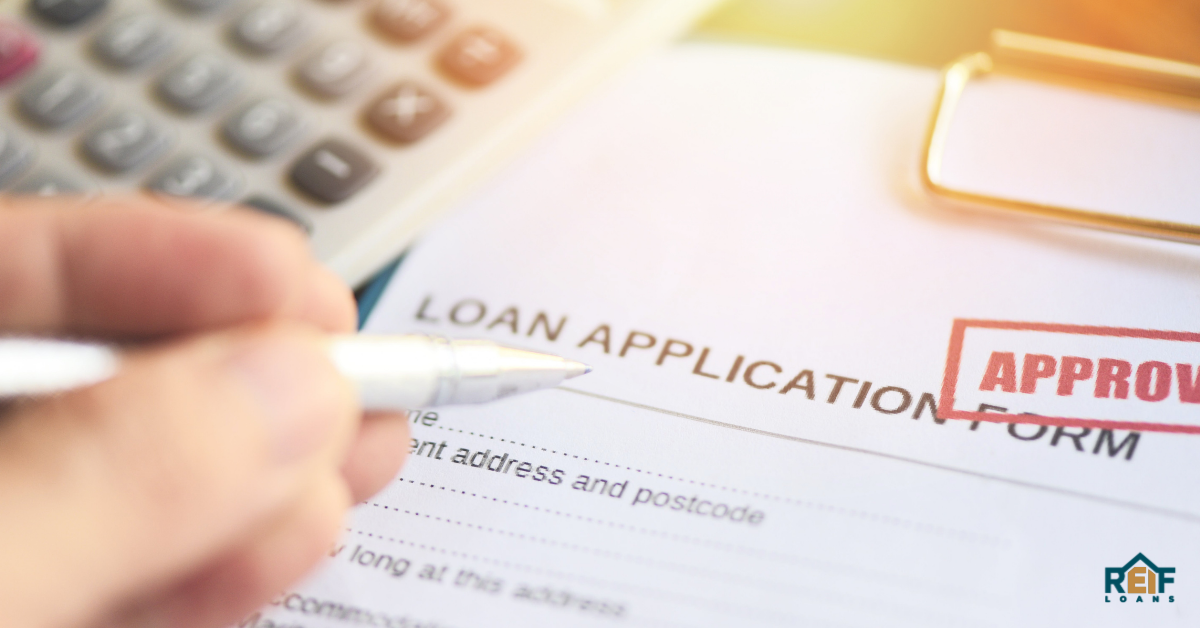
This is where most investors run into trouble. The document list for a Real Estate Property DSCR Loans is shorter than a conventional mortgage, but each item carries real weight. Missing even one can slow things down considerably.
Core Documents Required for All Real Estate Property DSCR Loans:
- Government-issued photo ID
- Social Security number for credit authorization
- Signed credit authorization form
- Bank statements from the last 2 months showing funds for down payment and reserves
- Investment or retirement account statements if those funds are being used toward closing
Property Income Documents:
- Signed lease agreement for tenant-occupied properties
- Rent roll for multi-unit properties
- 1007 rent schedule or market rent appraisal for vacant properties
Title and Insurance Documents:
- Title commitment or title report
- Landlord or investment property insurance policy or quote (standard homeowners insurance is not accepted)
- Flood certification if the property sits in a designated flood zone
For Purchase Transactions:
- Fully executed purchase contract
- Wire transfer confirmation or cashier’s check for earnest money deposit
For Refinance Transactions:
- Current mortgage statement
- Property deed showing ownership
- 12-month payment history on the existing mortgage
- Current lease agreements showing active rental income
For LLC or Trust Borrowers:
- Articles of Organization or Incorporation
- Operating Agreement
- EIN documentation
- Certificate of Good Standing from your state
Real Estate Investor Friendly Loans works regularly with LLC borrowers across all service states. Getting your entity documents together before you apply is one of the simplest ways to avoid unnecessary delays at closing.
Documents You Do Not Need for a Real Estate Property DSCR Loans
This is one of the most practical advantages of DSCR financing. Unlike conventional mortgages, you will not be asked to provide any of the following:
- W-2s or pay stubs
- Personal tax returns, federal or state
- Employment verification letters
- Profit and loss statements for self-employment income
- Debt-to-income calculations based on personal earnings
The property qualifies the mortgage, not your paycheck. That is exactly why Real Estate Property DSCR Loans work so well for self-employed investors, full-time landlords, and anyone building a rental portfolio who does not fit the standard borrower profile that traditional banks prefer.

Common Documentation Mistakes That Delay Approval
Even experienced investors make avoidable errors. Knowing what to watch for can save you days or even weeks in the process.
- Submitting an unsigned or expired lease agreement
- Using a standard homeowners insurance policy instead of a landlord or investment property policy
- Submitting incomplete bank statements with missing pages
- Outdated LLC documents or a Certificate of Good Standing that has lapsed
- Relying on informal rent estimates instead of a formal 1007 rent schedule for vacant properties
- Unresolved title issues such as old liens or ownership disputes that were never cleared
At Real Estate Investor Friendly Loans, walking investors through the full documentation checklist before the file goes to underwriting is a standard part of the process. Catching gaps early is something founder Elizabeth Shvartsman built into the company’s approach from day one, because investors should not lose deals over paperwork.
How to Give Yourself the Best Chance of Approval
Preparation matters more than most investors expect. A few practical steps can make the difference between a smooth closing and a frustrating back-and-forth with underwriting.
- Pull your credit report before applying so there are no surprises
- Organize all documents into clearly labeled PDF files before submission
- Make sure your lease is current, signed, and reflects the actual rent being paid
- If buying a vacant property, get a market rent analysis done early in the process
- Keep your entity documents current if you invest through an LLC or trust
- Have at least 3 to 6 months of reserves sitting in a verifiable account
Working with a lender who actually understands how investors operate makes a significant difference. Real Estate Investor Friendly Loan was built specifically for real estate investors, and the pre-qualification process is designed to give you clear answers quickly without the unnecessary delays that come with traditional bank lending.

Ready to Move Forward With Real Estate Investor Friendly Loans?
Real Estate Property DSCR Loans remove most of the personal income barriers that block real estate investors from growing their portfolios. But the documentation side still requires attention and accuracy. Getting your paperwork organized before you apply puts you in a much stronger position from the start.
Real Estate Investor Friendly Loan serves investors in Michigan and across 43 states with Real Estate Property DSCR Loans, cash out refinance options, hard money loans, and non-QM financing built around cash flow strategies. If you are ready to get pre-qualified or simply want to know exactly what you need for your next investment deal, reach out to the Real Estate Investor Friendly Loans team today and get the process started.