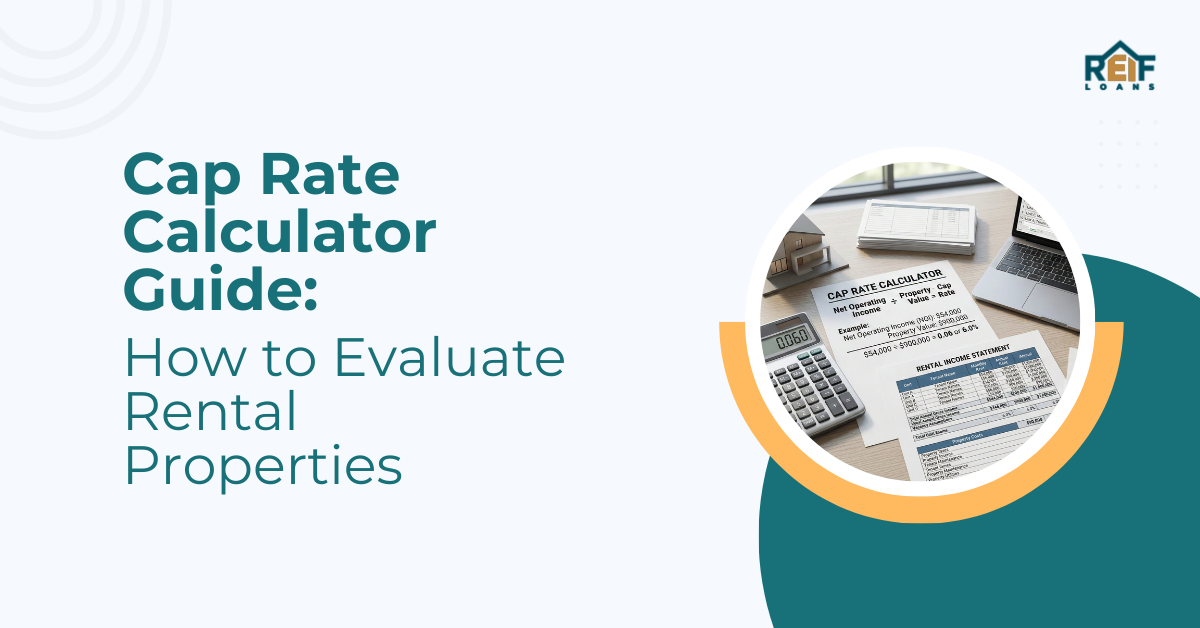
Buying a rental property without running the numbers first is like driving blindfolded. You might get lucky, but the odds are not in your favor. One of the fastest ways to size up a potential investment is the capitalization rate, or cap rate.
Whether you are comparing two duplexes or weighing a single-family rental against a small apartment building, cap rate gives you a clear snapshot of expected return. At Real Estate Investor Friendly Loans, we work with real estate investors every day who use this metric to make confident buying decisions before they ever apply for financing.
What Is a Cap Rate?
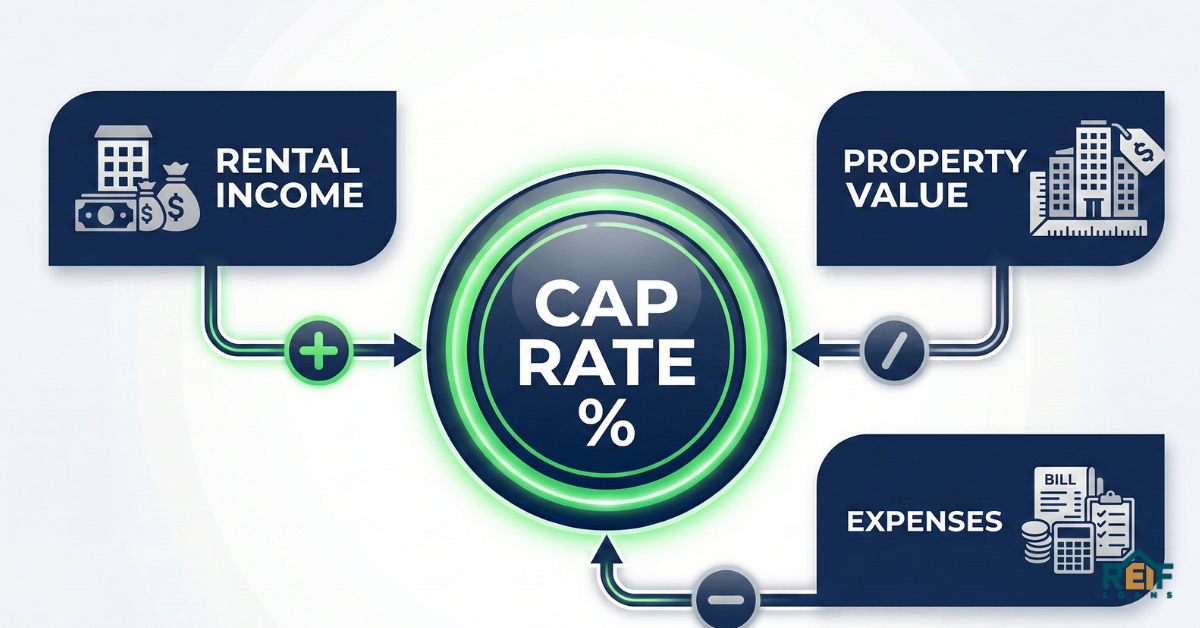
Cap rate is a percentage that represents the annual return you would earn on a property if you bought it with all cash. It strips out financing entirely, which makes it one of the cleanest ways to compare properties on an even playing field.
Think of it as a property’s earning potential relative to its price tag. A higher cap rate generally signals a higher return, while a lower cap rate often points to a more stable, lower-risk market. Investors across Michigan and the 43 states where Real Estate Investor Friendly Loans operates use cap rate as a first filter when screening deals.
How to Calculate Cap Rate on a Rental Property
The formula itself is simple. The real work is making sure you plug in accurate numbers.
Step 1: Add Up Your Gross Rental Income
Start with the total annual rent the property generates. If there are multiple units, combine all of them. Do not forget secondary income sources like:
- Parking fees
- Laundry machines
- Storage unit rentals
- Pet fees or other recurring charges
For example, a duplex renting both units at $1,200 per month brings in $28,800 per year in gross rental income.
Step 2: Calculate Net Operating Income (NOI)
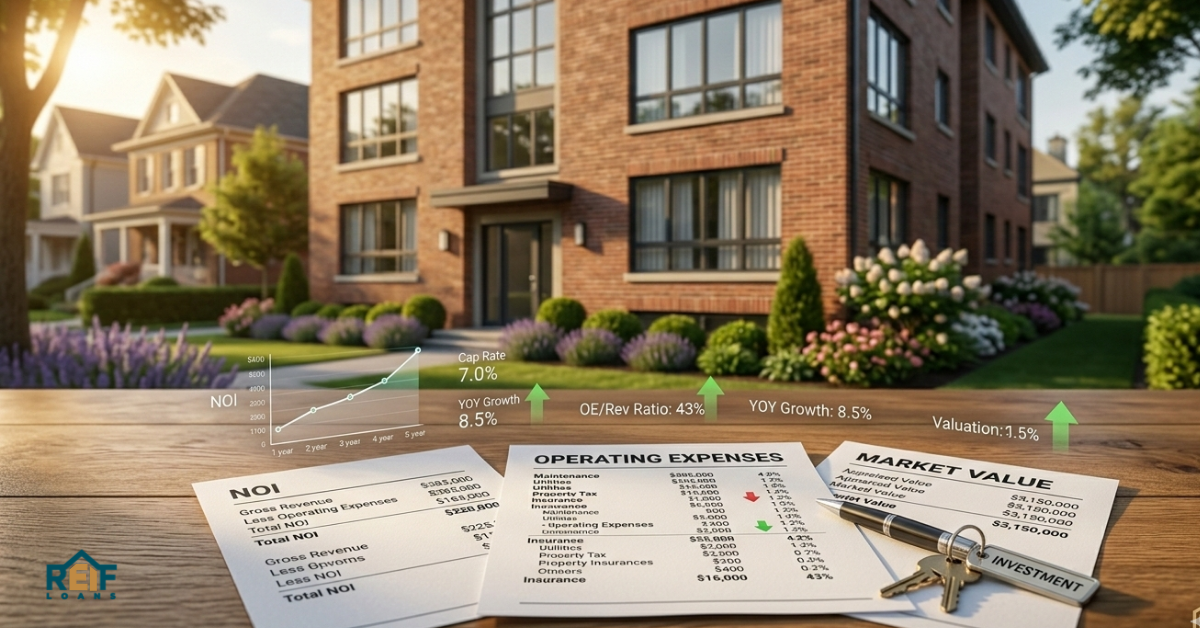
Subtract all operating expenses from your gross income to arrive at NOI. Common expenses include:
- Property taxes
- Landlord insurance
- Repairs and maintenance
- Property management fees
- Vacancy allowance (typically 5-10% of gross rent)
Important: Do not include your mortgage payment or mortgage interest. Cap rate measures a property’s performance independent of how you finance it. Using our duplex example, if annual expenses total $10,800, your NOI would be $18,000.
Step 3: Apply the Formula
Cap Rate = Net Operating Income / Property Value x 100
If the duplex is listed at $300,000:
$18,000 / $300,000 x 100 = 6.0% cap rate
That means you can expect a 6% annual return on the property before any financing costs come into play.
What Is a Good Cap Rate for Rental Properties?
There is no magic number that works for every investor or every market. The right cap rate depends on your goals, risk tolerance, and the type of property you are targeting.
- 4-6% is common in high-demand urban areas with low vacancy
- 7-10% is more typical in secondary markets and smaller cities
- 10%+ can signal strong cash flow potential but often comes with more management challenges
Many Michigan markets fall into that sweet spot of 6-9%, offering solid cash flow without the inflated prices you see on the coasts. This is one reason investors working with Real Estate Investor Friendly Loans frequently target Midwest rental properties for portfolio growth.
Cap Rate Calculator Guide: 5 Factors That Influence Cap Rates
Cap rate is not a static number. Several variables can push it higher or lower.
1. Location and Market Conditions
Properties in growing job markets with strong rental demand tend to have lower cap rates because buyers pay a premium. Rural or declining markets often show higher cap rates to compensate for added risk.
2. Property Condition
A well-maintained building with recent updates typically sells at a lower cap rate. Older properties needing repairs may show higher cap rates, but those repair costs eat into your actual returns.
3. Property Type
Multifamily properties, commercial buildings, and single-family rentals each carry different cap rate expectations. A 20-unit apartment complex and a single-family home in the same zip code will rarely have the same cap rate.
4. Operating Expenses
Higher expenses mean lower NOI, which drags down your cap rate. Always verify expense numbers with the seller rather than relying on pro forma projections.
5. Local Economic Trends
Job growth, population shifts, and new infrastructure projects all affect rental demand and property values. These broader trends directly influence where cap rates land in a given market.
Cap Rate Limitations Every Investor Should Know
Cap rate is a powerful screening tool, but it does not tell the whole story. Keep these blind spots in mind:
- It ignores financing, so your actual cash-on-cash return could look very different
- It assumes stable income and does not account for rent growth or appreciation
- Vacancy and expense estimates can skew results if they are too optimistic
- It works best for comparing similar property types within the same market
Smart investors pair cap rate with DSCR (debt service coverage ratio) and cash-on-cash return for a more complete picture. DSCR is especially relevant if you are considering a Real Estate Property DSCR Loans through Real Estate Investor Friendly mortgage, since lenders use this ratio to qualify borrowers based on property income rather than personal earnings.
How Financing Changes Your Real Returns
Here is something many new investors overlook. Cap rate shows the unlevered return, meaning what you would earn paying all cash. But most investors use financing, and the right mortgage structure can significantly improve your actual returns.
When your mortgage interest rate sits below the property’s cap rate, every borrowed dollar works harder for you than it would sitting in the deal as cash. This is where choosing the right lending partner makes a real difference.
Real Estate Investor Friendly Loans specializes in investment property mortgages, Real Estate Property DSCR Loans, and cash-out refinance options built specifically for rental property investors. Whether you are acquiring your first rental or scaling across multiple states, having a lender that understands investor math helps you close deals with confidence.
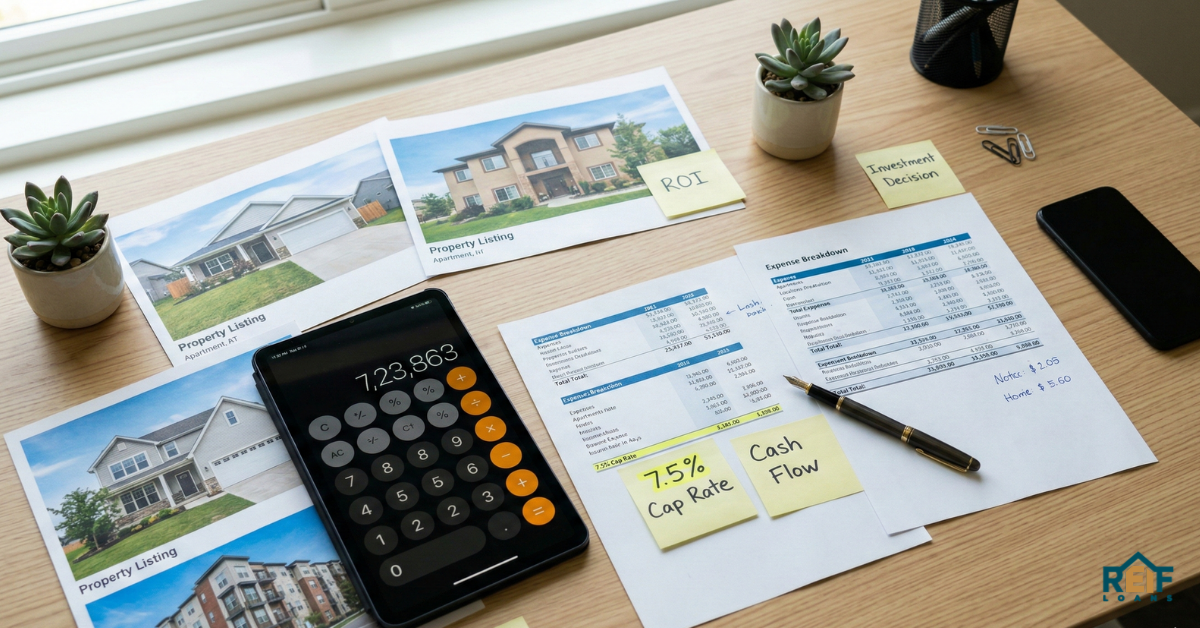
Key Takeaways
Cap rate is one of the most useful tools in a rental property investor’s toolkit. It gives you a fast, reliable way to compare deals and set realistic return expectations.
No single metric should drive your entire investment decision. Combine cap rate with cash flow analysis, DSCR calculations, and local market knowledge to make well-rounded choices. If you are ready to take the next step, reach out to Real Estate Investor Friendly Loans to explore financing options designed for investors like you.