SBA 7(a) and 504 financing for business owners who want to buy, build, or refinance the property they operate from — available in 48 states.
If your business pays rent, you’re building equity for your landlord. An SBA loan lets you buy, build, or refinance the property your business operates from, so your monthly payment builds ownership instead.
REIF Loans helps business owners in 48 states use SBA 7(a) and SBA 504 financing to purchase owner-occupied commercial buildings, construct or expand facilities, buy an existing business, and finance equipment or working capital. We review your business and your project, then match you with the SBA lender and program that fit your plan.
As business owners and real estate investors ourselves, we know what lenders look for and how to present your business at its strongest.
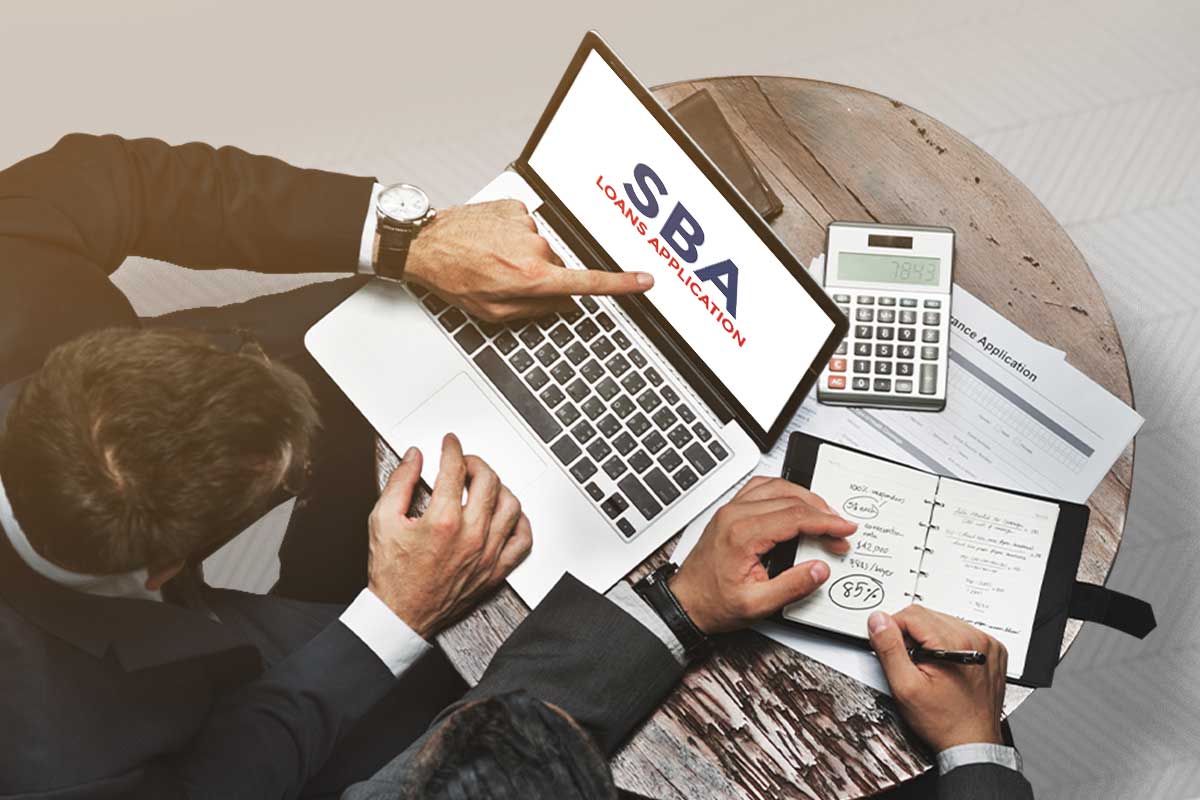


An SBA loan is made by a financial institution or a Certified Development Company (CDC), and the U.S. Small Business Administration guarantees part of it. That guarantee reduces the lender’s risk, which is why SBA loans can offer lower down payments and longer terms than most conventional business loans. REIF Loans matches you with the right lender and the right SBA program for your project.
The 7(a) is the SBA’s most flexible loan program. A single loan can finance the building your business operates from, the purchase of an existing business, equipment, or working capital. This makes it a good fit when your plan involves more than just real estate.

SBA 504 is designed for major fixed assets: buildings, construction, and long-life equipment. Each project is split three ways among a financial institution, a Certified Development Company (CDC), and you. You can contribute as little as 10%. A conventional commercial loan typically requires 20–30% down, so a 504 loan can keep more cash working in your business.
By comparison, conventional lenders typically require approximately 20–30% down.
SBA lenders review the business, the property, and the owner’s ability to support the loan. Lender will look at your business first. These four factors carry the most weight in the approval process: Owner Occupancy, Debt Service Coverage, Equity Injection, and Credit & Management Experience.
The business must occupy 51% of an existing building (60% for new construction).
Business cash flow must cover all debt payments; SBA requires at least 1.15×.
Typically 10% down, higher for startups and special-purpose property.
Lenders review personal credit and the owner's experience running the business.
By focusing on these metrics, REIF Loans helps business owners present their strongest application.

SBA financing gives business owners options for purchasing property and supporting their business.
As little as 10% down on owner-occupied property.
Up to 25 years keeps monthly payments manageable.
504 offers long-term fixed rates for predictable planning.
Build equity in the property your business operates from.
Pair real estate financing with working capital, up to $10M.
SBA financing available in 48 states through our network of lending partners.
We’re business owners and real estate investors ourselves, so we understand both sides of an SBA deal: the operating business that has to support the loan, and the property that secures it. We review your financials, compare SBA lenders by pricing and fit, package your application, and stay with you from first review through closing.
Our mission: Value, Results, Service. Every loan we arrange is designed to protect your cash flow and position your business for long-term growth.

An SBA 7a loan, officially called SBA 7(a), is the SBA’s most flexible loan program. Business owners use it to buy a business, buy or refinance the property they operate from, purchase equipment, or fund working capital, with loan amounts up to $5 million. A financial institution makes the loan and the SBA guarantees part of it, which lets lenders offer longer terms and lower down payments than a typical business loan.
Whether you’re buying, building, or refinancing the property your business operates from, REIF Loans matches you with the appropriate SBA lender and program. Start your application or speak with an advisor about SBA 7(a) and 504 financing in 48 states.